Biometric Authentication Strengthens Mobile Betting Security Worldwide
Gisela Albrecht · Aug 20, 2026
Biometric Authentication Strengthens Mobile Betting Security Worldwide
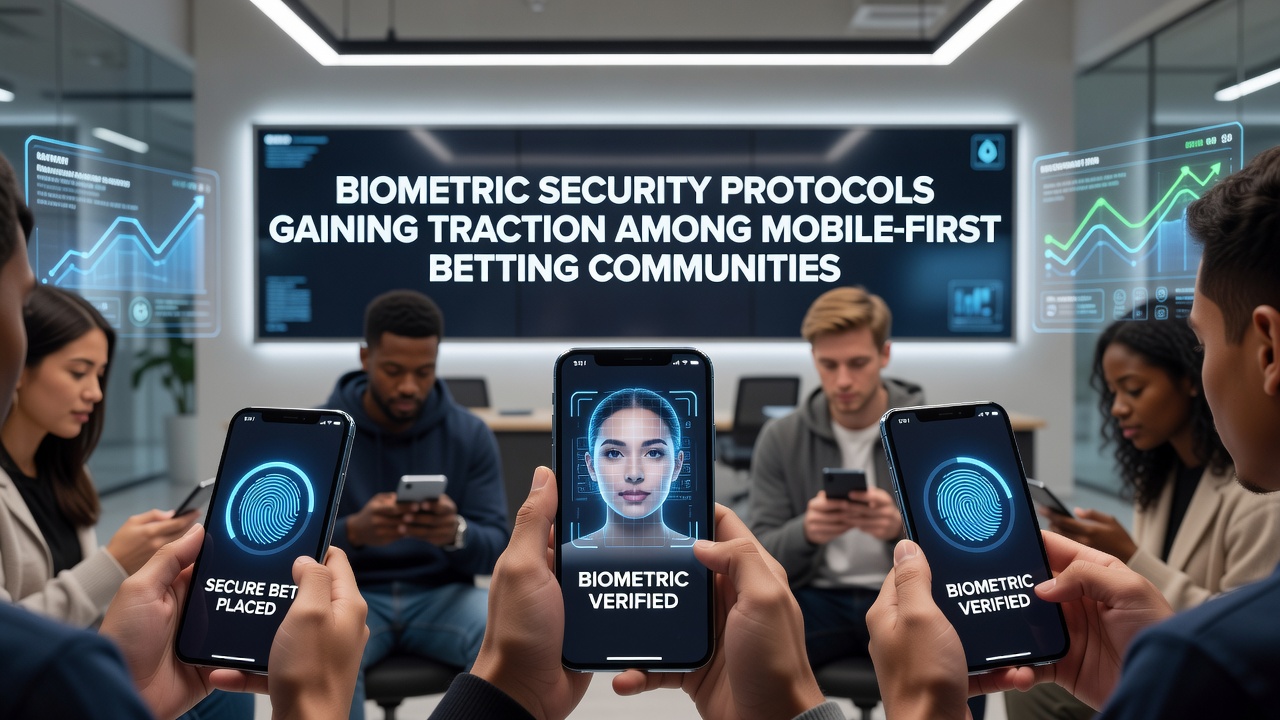
Biometric security protocols have expanded rapidly across mobile betting platforms as operators respond to rising user demand for convenient yet robust account protection, and data from industry reports shows adoption rates climbing steadily through 2025 and into 2026. Fingerprint scanning, facial recognition, and voice authentication now appear in many apps serving mobile-first communities, where players complete transactions and access accounts primarily through smartphones rather than desktop interfaces. These systems replace or supplement traditional passwords, which often face vulnerability from phishing attacks and weak user practices.
Global Regulatory Support for Biometric Measures
Regulatory bodies in multiple regions have encouraged or required enhanced security features, with the Nevada Gaming Control Board outlining standards for biometric verification in remote wagering systems, while Australian authorities through the Australian Communications and Media Authority have examined similar protocols for online gambling operators. European frameworks, including those from the Malta Gaming Authority, also reference biometric options as part of broader compliance strategies, and these guidelines have prompted operators to integrate such tools to meet licensing conditions. Observers note that the shift aligns with broader digital security trends seen across financial services, where banks have used similar methods for years.
Technical Implementation in Betting Apps
Developers incorporate biometric features through device-native APIs that leverage hardware sensors already present in most modern smartphones, and this approach reduces the need for additional hardware while maintaining compatibility across iOS and Android ecosystems. One study from a university research team in Canada highlighted how multi-factor biometric setups, combining facial recognition with behavioral analysis, lowered unauthorized access attempts in simulated environments by significant margins. Operators have reported fewer account takeover incidents after rolling out these protocols, although exact figures vary by platform and region.
Adoption Patterns Among Mobile Users
Mobile-first betting communities, particularly those in urban areas with high smartphone penetration, have driven much of the uptake, as younger demographics often prefer seamless login experiences over remembering complex credentials. Figures reveal that by August 2026, several major platforms had enabled biometric options for over 60 percent of their active mobile users, according to aggregated data from gaming technology providers. People who engage frequently with live betting features or instant deposits find the speed of biometric checks particularly useful during time-sensitive events like sports matches.
Security Benefits and Challenges
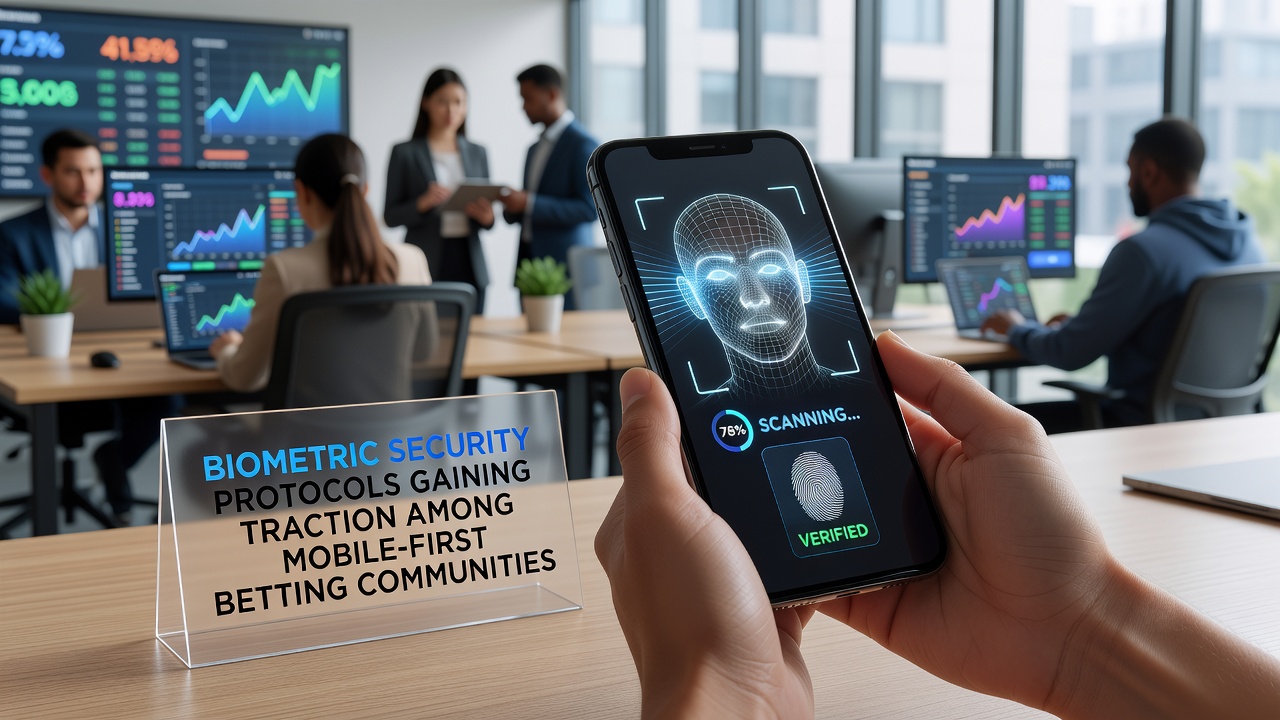
Biometric methods offer resistance to certain types of fraud because they tie authentication directly to physical traits that prove difficult to replicate remotely, and experts from academic institutions have documented reduced rates of credential sharing compared with password-based systems. Yet challenges persist around data privacy, as stored biometric templates require strong encryption to prevent breaches, and regulators in various jurisdictions have set specific rules for how operators handle such sensitive information. Research indicates that when implemented correctly, these protocols maintain high accuracy rates even under varying lighting or device conditions.
Industry Examples and Case Studies
Take one operator in the Canadian market that integrated voice biometrics for high-value transactions, and users there completed verifications faster while maintaining compliance with provincial gaming rules. There's this case where researchers at an Australian university found that combining biometrics with device fingerprinting created layered defenses against automated attacks common in online betting environments. Such examples illustrate how different regions adapt the technology to local needs without relying on a single uniform approach.
Future Outlook for Biometric Integration
Continued advancements in sensor technology and machine learning algorithms promise even greater reliability for biometric systems in the coming years, and industry organizations like the International Association of Gaming Regulators have hosted discussions on standardizing best practices across borders. Data shows sustained investment from software firms specializing in gaming applications, wth updates scheduled through late 2026 focusing on inclusivity for users with accessibility requirements. Those who've studied deployment patterns observe that mobile-first betting communities continue to influence feature prioritization as operators compete for user loyalty.
Conclusion
Biometric security protocols have established a foothold in mobile betting by balancing convenience with stronger protection, and their growth reflects broader technological shifts in digital services. Regulatory guidance from diverse bodies, technical feasibility on consumer devices, and user preferences have all contributed to this trajectory, while ongoing refinements address privacy and accuracy concerns. The result is a landscape where mobile betting platforms increasingly rely on these methods to safeguard accounts and transactions.