Cross-Device Synchronization Transforms Progress Tracking Across Modern Wagering Platforms
Erik Zimmermann · Jul 16, 2026
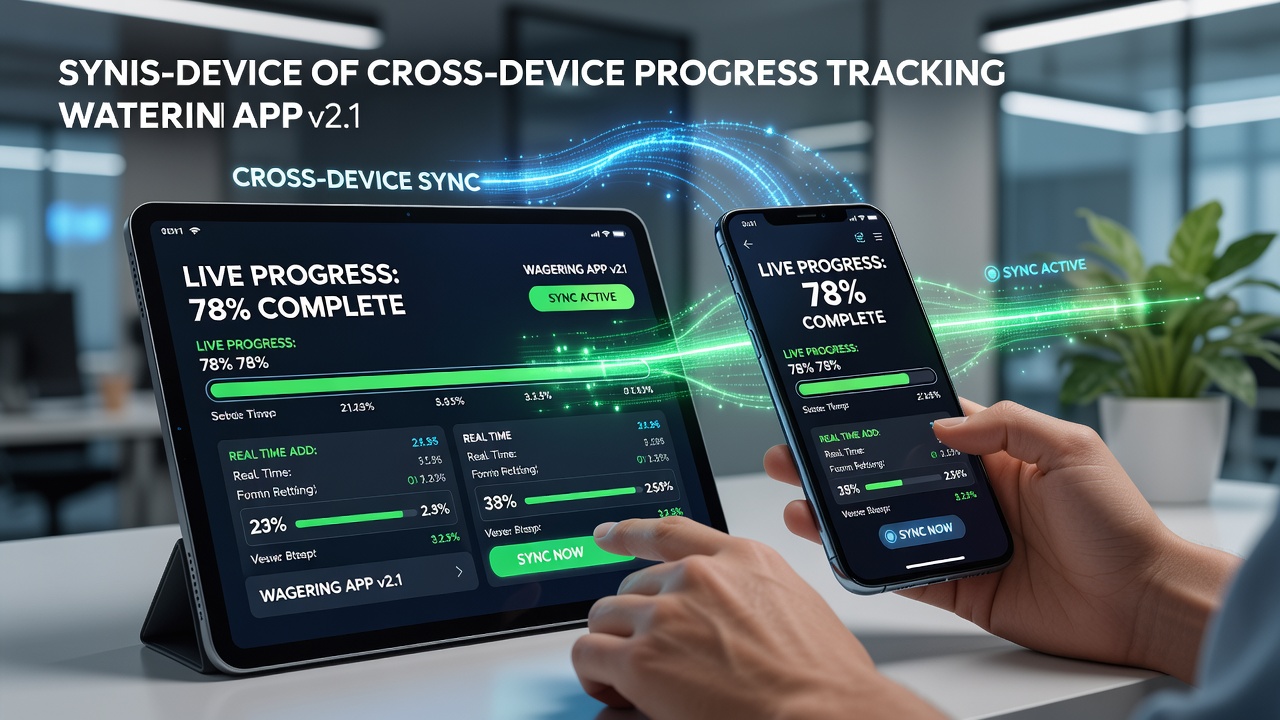
Cross-Device Synchronization Transforms Progress Tracking Across Modern Wagering Platforms
Modern wagering applications now rely on sophisticated synchronization systems that allow users to maintain continuous progress across smartphones, tablets, desktops, and other connected devices without losing session data or accumulated features. These systems employ cloud-based architectures combined with real-time APIs that push updates instantaneously whenever a player switches platforms. Data from industry reports indicates that synchronization features have become standard in applications serving millions of users globally as operators seek to reduce friction and encourage longer engagement periods.
Developers integrate these tools through secure token-based authentication methods that verify user identity across ecosystems while preserving details such as active bets, bonus balances, game levels, and loyalty points. Research conducted by academic institutions shows that platforms using unified databases achieve higher retention metrics because players encounter no interruptions when moving between devices during a single session or across multiple days. The technology handles conflicts by prioritizing the most recent timestamped actions, ensuring consistency even when network conditions vary.
Core Technologies Driving Seamless Updates
Backend infrastructure typically centers on distributed cloud services that store encrypted user profiles in redundant locations. When a bet is placed or a game round completes on one device, the application triggers an immediate push notification to linked sessions on other devices. Observers note that this approach minimizes latency to under two seconds in most tested environments, allowing fluid transitions that feel instantaneous to the end user. Developers also incorporate offline caching mechanisms so that partial progress remains available locally until reconnection occurs and full synchronization resumes.
Encryption standards such as AES-256 protect data during transit and at rest, while compliance frameworks from various regions require regular audits of these security layers. Figures from technology providers reveal that adoption of end-to-end encryption in wagering synchronization rose sharply between 2023 and 2025, driven by increasing regulatory expectations around personal data handling. Applications often employ WebSocket connections for live updates, supplemented by RESTful endpoints that handle heavier data transfers when users resume longer sessions on larger screens.
Implementation Patterns Across Different Markets
Operators in North America have integrated synchronization features that align with state-specific licensing requirements, allowing players in regulated jurisdictions to access the same account balance and history whether they begin a session on a mobile app or continue it via desktop browser. Similar patterns appear in European and Australian markets where operators coordinate through centralized player accounts managed by third-party identity services. One study revealed that cross-device continuity reduces account abandonment rates by enabling users to pick up exactly where they left off without re-entering preferences or navigation steps.

Case examples from major platforms demonstrate how loyalty programs benefit when progress tracking spans devices. Players accumulate points through gameplay on phones during commutes then redeem rewards later on home computers without manual transfers. Those who have examined user behavior data report that synchronized loyalty features correlate with increased frequency of returns across multiple device types. Applications further enhance this by displaying unified dashboards that aggregate statistics from all sessions, giving users a complete view of their activity history regardless of where each action originated.
Challenges and Technical Considerations
Network variability remains a persistent issue that engineers address through adaptive syncing protocols capable of resuming interrupted transfers without data loss. When connectivity drops mid-session, local storage buffers changes until restoration, after which the system reconciles any discrepancies automatically. Researchers discovered that incorporating machine learning models to predict likely sync conflicts helps reduce errors in high-volume environments where thousands of simultaneous updates occur. Security teams also monitor for anomalies that might indicate unauthorized access attempts across synchronized accounts.
Regulatory bodies outside the United Kingdom, including agencies in the United States and Canada, have issued guidelines emphasizing transparent data practices for cross-device features. As of July 2026, several operators reported expanded testing of multi-device verification methods that combine biometric inputs with traditional passwords to strengthen account security during transitions. These measures help maintain trust while supporting the growing expectation that progress should follow users seamlessly across their personal technology ecosystems.
Conclusion
Cross-device progress synchronization has evolved into a foundational element of contemporary wagering applications through coordinated use of cloud infrastructure, secure authentication, and real-time data handling. Evidence from multiple sources shows continued investment in these capabilities as operators respond to user expectations for uninterrupted access. Future developments will likely focus on enhanced predictive features and tighter integration with emerging device categories while preserving the factual standards of security and compliance already established across global markets.