Data Analytics Revolutionizing Real-Time Odds for Live Sports Bets
Erik Otto · May 21, 2026

Data Analytics Revolutionizing Real-Time Odds for Live Sports Bets
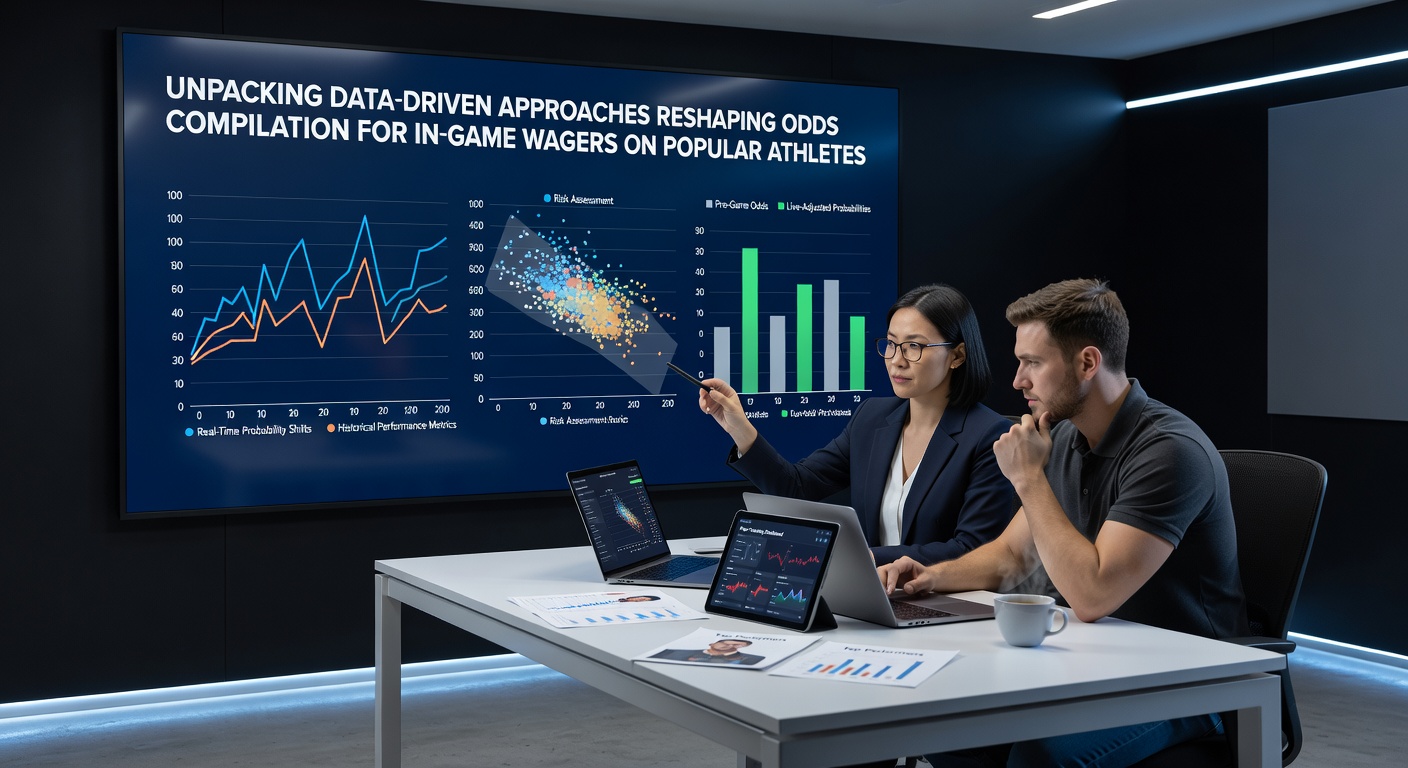
Modern sports betting operators compile in-game odds through layers of real-time data processing that blend player tracking systems, historical performance archives, and environmental variables into dynamic probability models, while algorithms recalibrate these figures every few seconds as matches unfold. Observers note that this approach replaces older static methods with continuous feeds from sensors and cameras positioned across stadiums and arenas, allowing odds to reflect minute changes in momentum or fatigue levels among competitors.
Core Technologies Driving Odds Updates
Companies integrate machine learning frameworks that analyze thousands of variables simultaneously, including ball trajectory data, heart rate monitors worn by athletes, and crowd noise patterns captured through audio sensors, whereas traditional bookmakers once relied mainly on pre-match scouting reports and basic statistics. Researchers discovered that these systems often incorporate computer vision tools to interpret visual inputs from broadcast footage, turning raw pixels into quantifiable metrics like sprint speeds or defensive formations that directly influence live wager pricing.
Take one operator who implemented neural network models for basketball games in 2025, where the platform adjusted point-spread odds within 1.2 seconds after each possession change according to updated possession efficiency calculations. Such implementations show how data pipelines pull from multiple sources at once, merging league-provided APIs with proprietary tracking databases to maintain accuracy under high-volume betting traffic.
Integration of External Data Feeds
Weather services and venue-specific sensors supply additional inputs that affect outcomes in outdoor events, while betting platforms cross-reference these elements against historical correlations to refine probabilities for in-play markets on popular athletic events. Figures from industry reports reveal that soccer matches now incorporate wind speed and pitch moisture readings to tweak over-under totals on goals scored during specific halves, creating more granular wagering options than were available even five years earlier.
What's interesting is how operators handle volume spikes during major tournaments, when thousands of concurrent bets require sub-second recalibrations across multiple sports simultaneously. Data shows that cloud-based computing clusters distribute these workloads, preventing latency issues that could otherwise leave odds outdated during critical game moments.
Regulatory Context and May 2026 Developments
By May 2026 several jurisdictions introduced standardized protocols for data transparency in live betting operations, requiring operators to disclose the primary data sources feeding their models to oversight bodies. These rules emerged after consultations with international gaming associations that emphasized consistent reporting across borders, helping maintain fair market conditions without restricting technological innovation.
One case involved a European operator that expanded its data partnerships to include university research labs focused on biomechanics, where studies on athlete recovery patterns informed adjustments to injury-related prop bets during extended tournaments. Such collaborations demonstrate how academic findings translate into practical odds compilation tools that respond to real physiological data streams.
Impact on Popular Athletic Events
Football, basketball, and tennis represent the events where in-game wagering volume has grown most rapidly under these data-driven systems, with platforms offering micro-markets on individual plays or points that update based on live performance indicators. Evidence suggests that bettors receive more precise pricing because models account for factors like travel fatigue from cross-time-zone schedules or recent coaching strategy shifts captured through press conference transcripts processed via natural language tools.
Yet the reality is that smaller leagues still lag in sensor deployment, meaning their live odds rely more heavily on aggregated video analysis rather than direct biometric feeds. Operators address this gap by layering predictive simulations trained on comparable higher-tier events, maintaining competitive market depth even when primary data sources remain limited.
Conclusion
Overall the shift toward data-centric odds compilation continues to reshape how in-game wagers function on major athletic events, with ongoing refinements in sensor technology and algorithmic speed expected to expand market options further. Those who've studied these systems recognize that the combination of real-time inputs and regulatory oversight creates a framework where both operators and participants operate within increasingly precise parameters.