Digital Wallet Patterns Transforming Regional Live Table Platform Access
Taylor Richter · Jul 30, 2026
Digital Wallet Patterns Transforming Regional Live Table Platform Access
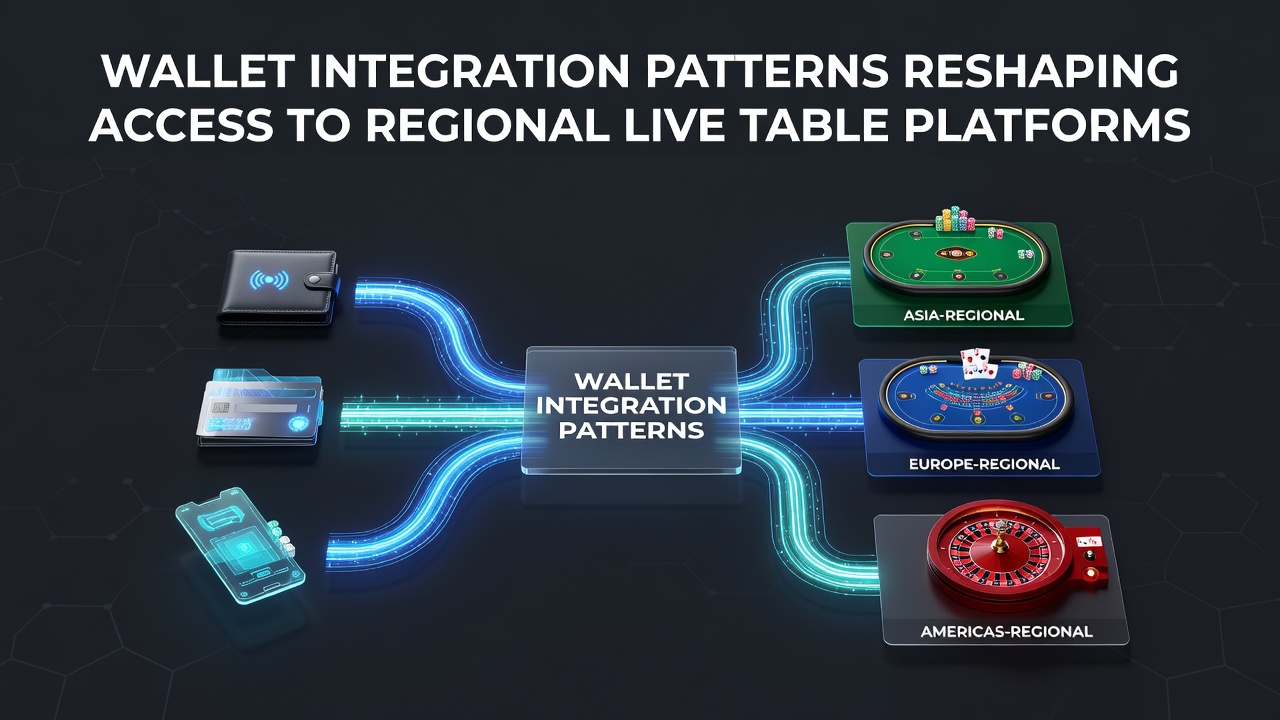
Wallet integration patterns have started reshaping how players reach regional live table platforms, with developers focusing on seamless connections that handle local payment preferences and regulatory demands. These systems combine e-wallet APIs, blockchain options, and traditional banking links to reduce friction in deposits and withdrawals, which matters because live table games require real-time funding for continuous play sessions.
Core Integration Approaches Across Markets
Observers note several distinct patterns emerging in wallet connectivity. One common method uses direct API bridges between regional payment providers and platform servers, allowing instant balance updates during live dealer rounds. Another pattern relies on tokenized wallets that store encrypted credentials locally on user devices, which cuts down on server calls and supports areas with spotty internet. Hybrid models blend both, routing high-value transactions through centralized processors while smaller bets flow through decentralized ledgers.
Data from industry reports shows these approaches gaining traction in Europe and parts of Asia-Pacific by mid-2026. For instance, platforms serving multiple jurisdictions now deploy modular wallet layers that adapt to currency controls in each market, preventing transaction blocks that once interrupted play. Experts at the European Gaming and Betting Association have documented how such flexibility expands reach into markets where players previously faced repeated verification hurdles.
Regional Variations in Wallet Adoption
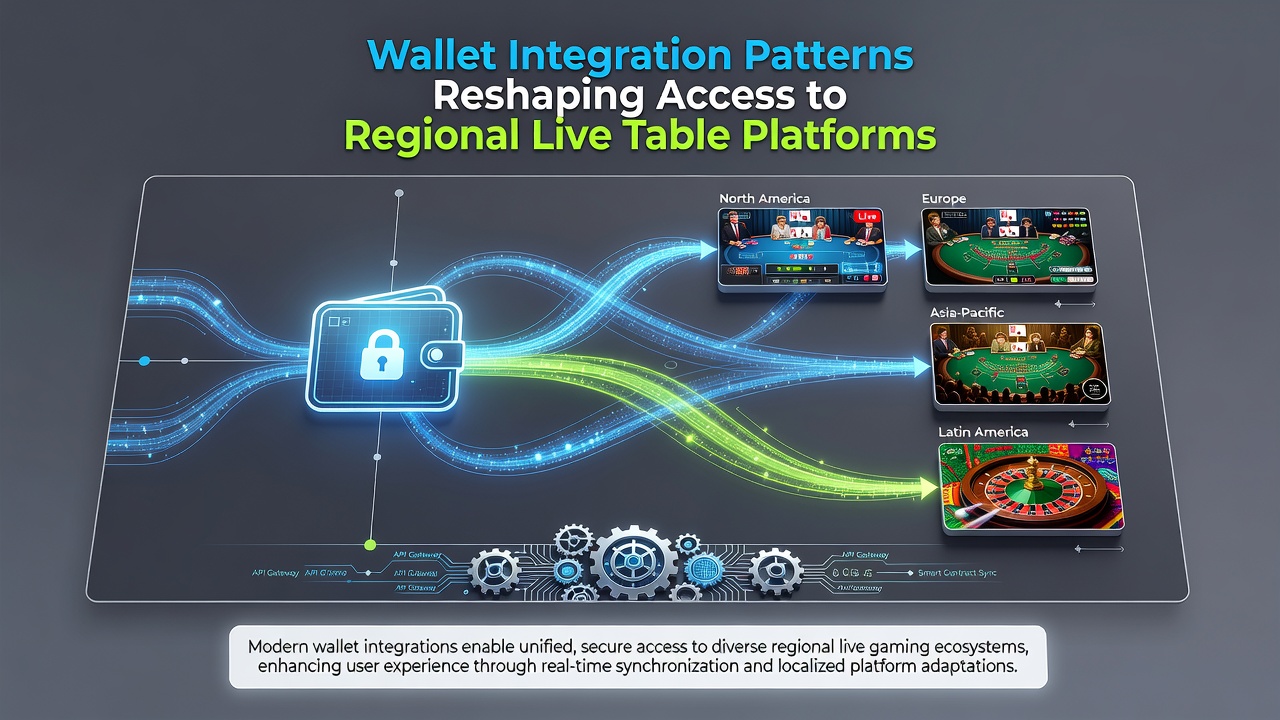
Live table platforms in North America have leaned toward integrations with established digital wallets like those tied to major banks, which align with state-level licensing rules. In contrast, Asian operators often incorporate local mobile payment systems that dominate everyday transactions, creating faster entry points for regional users. Australian markets show a mix, where platforms link crypto options alongside traditional accounts to serve diverse player bases.
Research from the Victorian Commission for Gambling and Liquor Regulation indicates that platforms adopting these varied integrations saw participation from previously underserved areas increase notably through 2025 and into July 2026. The patterns differ because each region prioritizes different factors, such as speed in one market or compliance logging in another, yet the result remains expanded access without compromising platform stability.
Security and Compliance Layers in Modern Setups
Integration patterns now routinely embed multi-factor authentication and real-time fraud detection directly into wallet flows. This setup lets platforms verify transactions during live sessions without pausing gameplay, which addresses concerns from regulators in multiple jurisdictions. Studies from academic sources at institutions like the University of Nevada, Reno highlight how these embedded checks reduce unauthorized access attempts while maintaining smooth user experiences.
Platforms also route data through region-specific compliance engines that flag patterns matching local anti-money laundering requirements. Those who've analyzed transaction logs note that such layering supports cross-border play in regulated environments, where players move between markets without resetting wallet credentials each time. The approach proves practical because it handles both high-volume small bets and occasional large wagers through the same pipeline.
Impact on Player Reach and Platform Operations
Evidence suggests these wallet patterns lower barriers for new users by supporting familiar payment methods from the start. Platforms report shorter onboarding times when wallet options match regional habits, leading to higher retention during initial live table sessions. What's significant is how the integrations handle volatility in currency values, especially with crypto-linked wallets that auto-convert at point of deposit.
Operators in emerging regions benefit because the patterns allow quick scaling without rebuilding entire payment infrastructures. Data indicates that by July 2026, several platforms had expanded their live dealer offerings to additional territories after refining wallet connections, drawing from player bases that value instant funding over traditional banking delays.
Conclusion
Wallet integration patterns continue to influence access to regional live table platforms through adaptable connections that respect local rules and preferences. The documented shifts in Europe, North America, Asia-Pacific, and Australia demonstrate measurable changes in participation and operational efficiency. As platforms refine these systems further, the focus remains on reliable, compliant pathways that keep live sessions uninterrupted across borders.