Duty Adjustments Reshaping Player Perks in Remote Betting
Erik Zimmermann · Aug 25, 2026
Duty Adjustments Reshaping Player Perks in Remote Betting
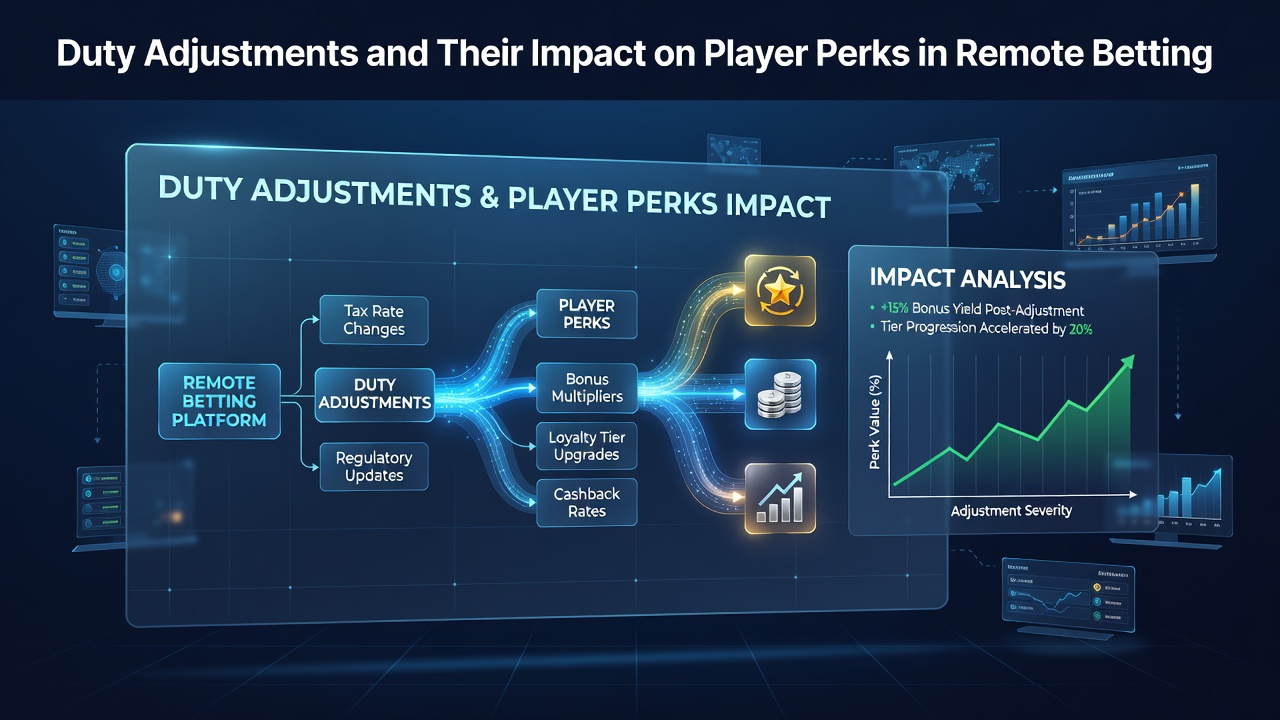
Remote betting operators have faced multiple duty adjustments across international markets, and these shifts directly influence the structure of player perks such as welcome bonuses, loyalty points, and cashback offers. Data indicates that higher remote gaming duties often prompt companies to recalibrate reward systems to preserve profit margins while remaining competitive.
Recent Duty Changes Across Jurisdictions
Authorities in several regions implemented revised remote betting duties between 2024 and 2026, with further refinements scheduled for August 2026 in select markets. These modifications typically raise tax rates on gross gaming revenue from online platforms, and operators respond by adjusting marketing budgets allocated to player incentives. Researchers at academic institutions have tracked how such fiscal policies ripple through bonus structures without altering overall participation rates in many cases.
Take one jurisdiction where duty rates climbed by several percentage points, and operators there consolidated free spin promotions into tiered loyalty programs instead of broad no-deposit offers. This pattern appears consistently in reports that examine operator filings and promotional archives.
Effects on Bonus Structures and Loyalty Rewards
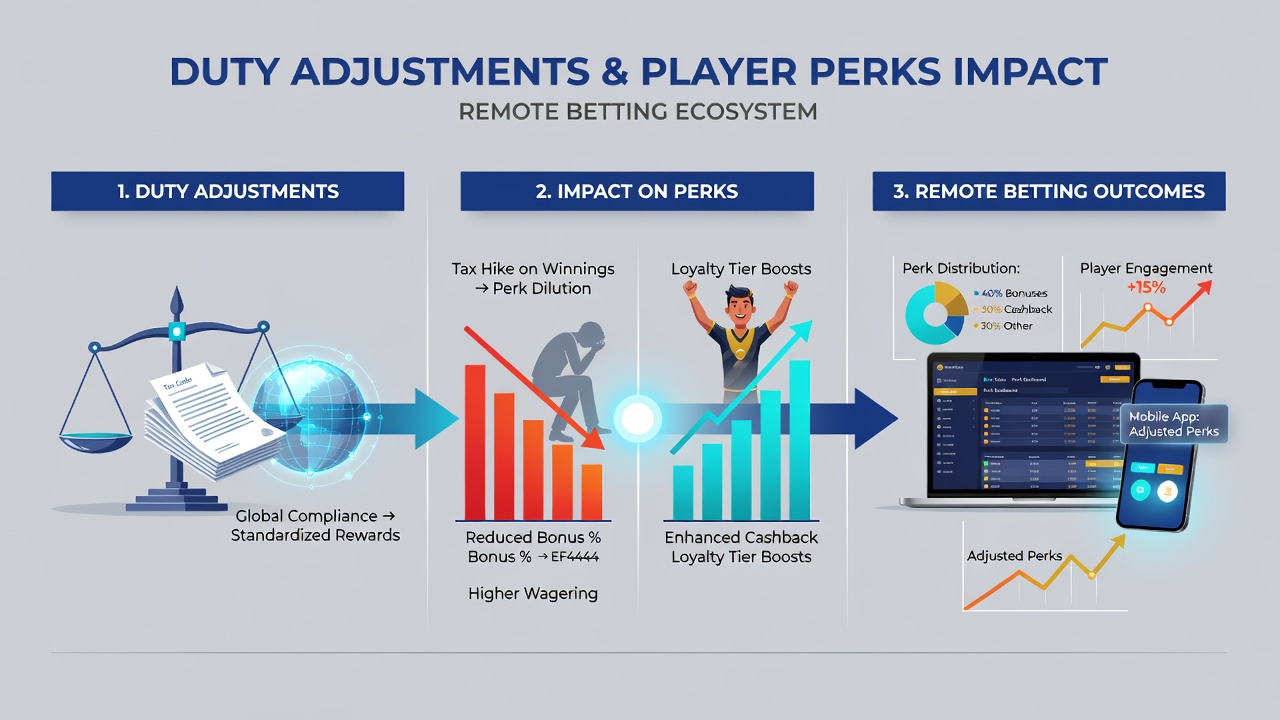
Player perks evolve when duties increase because operators seek to offset elevated tax liabilities through reduced promotional spend. Evidence shows welcome bonuses shrink in size or gain stricter wagering requirements, while cashback percentages drop to maintain sustainable margins. Those who monitor industry filings note that loyalty point accrual rates sometimes slow, although redemption values stay stable to retain high-volume players.
Studies from the American Gaming Association reveal that markets with elevated remote duties witness fewer unlimited reload bonuses and more targeted VIP rewards reserved for frequent users. The shift concentrates value on segmented player groups rather than mass-market promotions, and this approach helps operators manage costs while complying with new tax frameworks.
Regional Variations in Perk Adjustments
Operators in European markets outside the UK have adopted similar strategies after duty hikes, whereas Australian platforms emphasize deposit-match bonuses with extended validity periods to offset higher levies. Canadian provincial frameworks demonstrate another response where operators introduce hybrid rewards that combine free bets with loyalty multipliers, and data from the Canadian Gaming Association links these changes to duty increases implemented in prior years.
What's interesting is how cross-border competition influences these decisions, and operators serving multiple regions harmonize perk offerings to prevent player migration to lower-duty environments. One study revealed that players often migrate toward platforms maintaining higher bonus values even when tax burdens differ, which forces companies to balance duty compliance against retention metrics.
Operator Strategies and Market Responses
Companies adapt through refined segmentation where high-value accounts receive enhanced perks funded by revenue from standard users, and this tactic appears in earnings reports that detail promotional expenditure. Observers note that real-time analytics now guide perk distribution more precisely after duty adjustments, allowing operators to limit broad offers while sustaining engagement among profitable segments.
Figures from industry reports indicate that average bonus values declined by measurable percentages in high-duty jurisdictions during 2025, yet overall player activity remained steady because alternative rewards such as tournament entries and exclusive events filled the gap. These substitutions maintain perceived value without inflating direct cash outlays tied to taxable revenue.
Conclusion
Duty adjustments continue to prompt measurable recalibrations in remote betting perks, and patterns observed through August 2026 show operators favoring targeted rewards over blanket promotions. Data from multiple regulatory environments confirms that these changes affect bonus sizes, loyalty mechanics, and promotional timelines while preserving core player engagement levels across diverse markets.