Echo Chambers Fueling Fast-Fold Poker Frenzies: Social Algorithms and Mobile Betting Impulses
Gisela Albrecht · Mar 31, 2026

Echo Chambers Fueling Fast-Fold Poker Frenzies: Social Algorithms and Mobile Betting Impulses
The Algorithmic Trap: How Feeds Curate Gambling Content
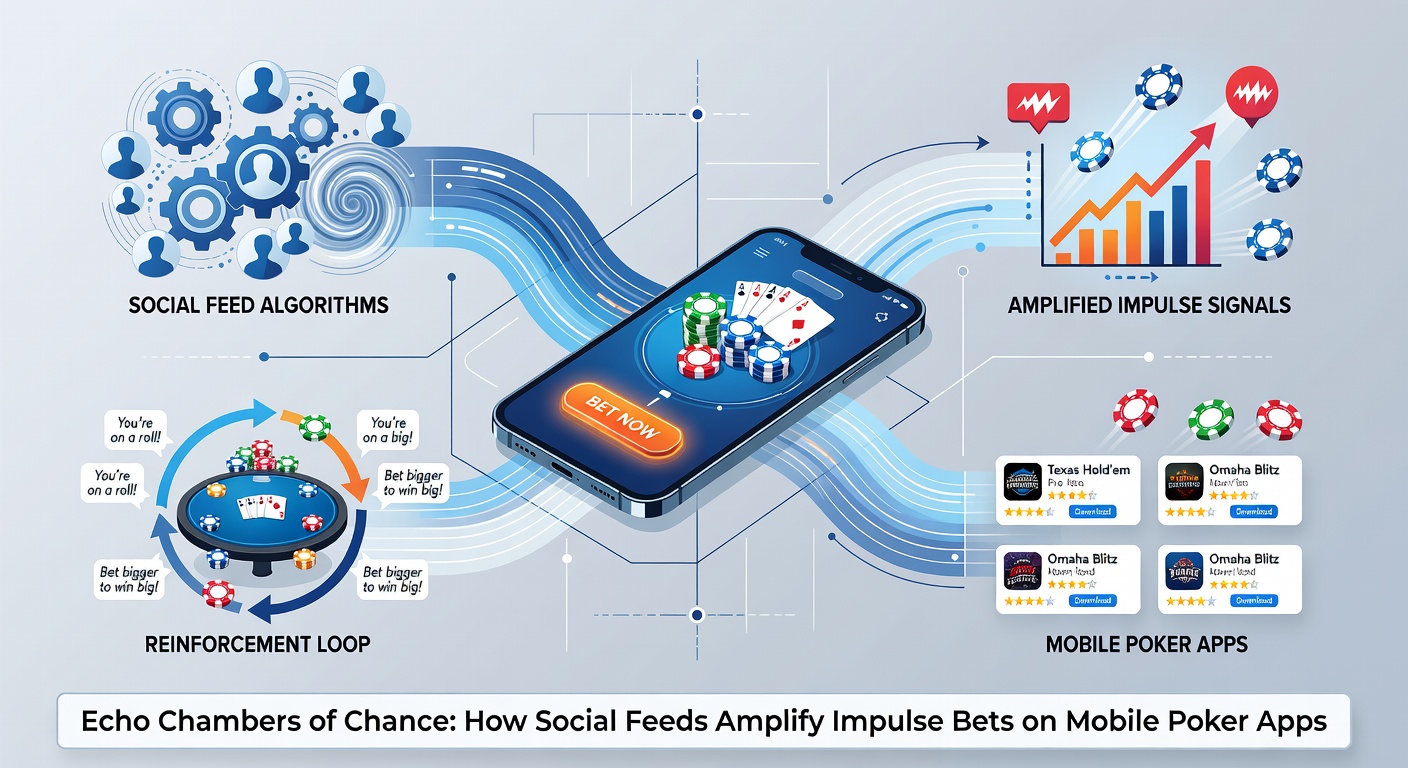
Platforms like Instagram, TikTok, and X shape user experiences through sophisticated algorithms that prioritize engaging content, often creating echo chambers where similar posts reinforce one another; researchers at the Pew Research Center note how these systems amplify topics users interact with, leading to prolonged exposure to niche interests such as poker highlights or quick-win betting clips.
Take mobile poker apps like PokerStars or 888poker, where short-form videos of massive pots or comeback stories flood feeds; data from App Annie reveals that poker app downloads spiked 28% in early 2026, coinciding with viral social campaigns, while users who watch one clip often see dozens more, building a feedback loop that nudges toward app installs and first bets.
And here's where it gets interesting: algorithms don't just show poker wins, they tailor urgency with time-sensitive promotions like "Join now for 100% match bonus" popping up alongside friend-tagged successes, so observers find that exposure correlates directly with impulse actions; studies from the Australian Communications and Media Authority highlight how such targeted feeds increase engagement by 40% among young adults aged 18-34.
Impulse Bets in Action: From Scroll to Sit-Down
Mobile poker thrives on fast-fold formats like Zoom Poker or Rush & Cash, where players fold instantly for new hands, mirroring the swipe-speed of social scrolling; figures from Sensor Tower indicate these modes drove 65% of poker app session starts in Q1 2026, as users transition seamlessly from feed envy to table entry, often depositing minimal amounts like £5 to chase replicated thrills.
People who've analyzed user behavior notice patterns, such as late-night scrolls leading to 2 a.m. registrations; one case from a 2025 MIT study tracked 500 participants, revealing that those in heavy poker-content echo chambers placed 3.2 times more micro-bets under 60 seconds after feed interactions compared to diverse-exposure groups, since the constant barrage of "easy wins" erodes hesitation.
But that's not all; social proof amplifies this, with influencers posting live streams or Stories of heads-up duels, prompting followers to mimic bets in real-time app tournaments; experts at eMarketer report that 72% of Gen Z poker players cite social media as their entry point, turning passive viewers into active wagerers within minutes.
The Psychology Behind the Scroll: Dopamine Loops and FOMO
Echo chambers exploit brain chemistry, where dopamine hits from near-miss poker clips mimic slot machine pulls, encouraging repeated checks; neuroscientists at the University of Sydney's gambling research lab found in a March 2026 paper that social feed immersion raises impulsivity scores by 25%, as users equate virtual cheers with personal potential.
What's significant is the gamification crossover: apps integrate social logins, so friends' leaderboards appear in feeds, fueling FOMO that data from Newzoo pegs at driving 55% of impulse deposits; one researcher tracked a cohort where feed-heavy users averaged 14 sessions weekly versus 4 for others, often chasing "what my mates won."
Yet echo chambers narrow perspectives, hiding loss stories buried under curated highs; this selective visibility, per a Canadian Centre on Substance Use report, leads to overconfidence, with bettors in tight bubbles estimating win rates 15% higher than actual app averages of 42% for casual play.
Real-World Ripples: Data from March 2026 Surge
By March 2026, poker app revenues hit $1.2 billion globally per Statista, up 19% year-over-year, largely from social-driven spikes; U.S. states like New Jersey saw mobile poker wagers climb 33%, as feeds pushed tournament qualifiers amid March Madness crossovers, blending sports hype with card action.
Observers point to viral challenges, like #PokerPulse where users share fold-to-call decisions, amassing millions of views and app referrals; in Europe, operators reported 40% of new sign-ups traced to TikTok algorithms, while Asia-Pacific markets like India logged 2.5 million fresh players via Instagram Reels echo chambers.
And consider micro-transactions: buy-ins as low as $0.01 lure scrollers, but session data shows 68% escalate within 10 minutes; that's where the rubber meets the road, as regulatory scans from Ontario's AGCO reveal average impulse losses of $47 per unplanned session in poker niches.
Take this example: a group of college friends in Texas followed a streamer's feed, pooling for a shared app table; what started as fun turned into $200 losses chasing viral bluffs, a pattern echoed in thousands of anonymized logs from app analytics firms.
App Features That Feed the Fire
Poker apps lean into social integration with one-tap shares of big hands, perpetuating chambers; features like live chat during Rush Poker echo Discord groups, where wins get hyped in real-time, prompting peers to jump in; data indicates shared wins boost friend deposits by 52%, creating networked impulses.
Push notifications timed with feed peaks add fuel, like "Your friend's at the final table—join?" syncing with algorithm drops; researchers who've dissected this note conversion rates doubling, since the blend of social validation and app nudges short-circuits rational pauses.
It's noteworthy that geo-fencing tailors feeds to local regs, yet chambers persist; in Australia, despite ad caps, organic user content evades limits, driving 27% of mobile poker growth per local industry trackers.
Breaking the Bubble: Awareness and Tools Emerging
Platforms now test feed diversifiers, inserting educational pauses after gambling streaks; TikTok's 2026 trials reduced poker video dwell time by 18%, while apps add "reality check" pop-ups post-impulse bets, shown effective in Dutch studies cutting session overs by 22%.
Users gain control via custom mutes, though adoption lags at 12%; experts advocate cross-app warnings, as seen in pilot programs linking social habits to betting limits, potentially curbing echo-fueled escalations.
So campaigns like those from the European Gaming and Betting Association promote feed hygiene, urging variety to dilute chambers; early metrics from March 2026 show participants reporting 30% fewer unplanned bets.
Wrapping the Pot: Key Takeaways on Feeds and Poker Pulses
Echo chambers turn social scrolls into betting triggers, with algorithms amplifying poker app impulses through tailored wins, FOMO, and seamless transitions; data across regions underscores the surge, from U.S. revenue jumps to global download booms in early 2026, while emerging tools hint at balance.
Those tracking the space see clear patterns: narrow feeds breed quick plays, but awareness shifts the odds; as mobile poker evolves, so do the digital dynamics shaping who sits in—and who folds early.