How Tiered Loyalty Systems Enhance Player Retention on Digital Entertainment Platforms
Gisela Albrecht · Jun 2, 2026
How Tiered Loyalty Systems Enhance Player Retention on Digital Entertainment Platforms
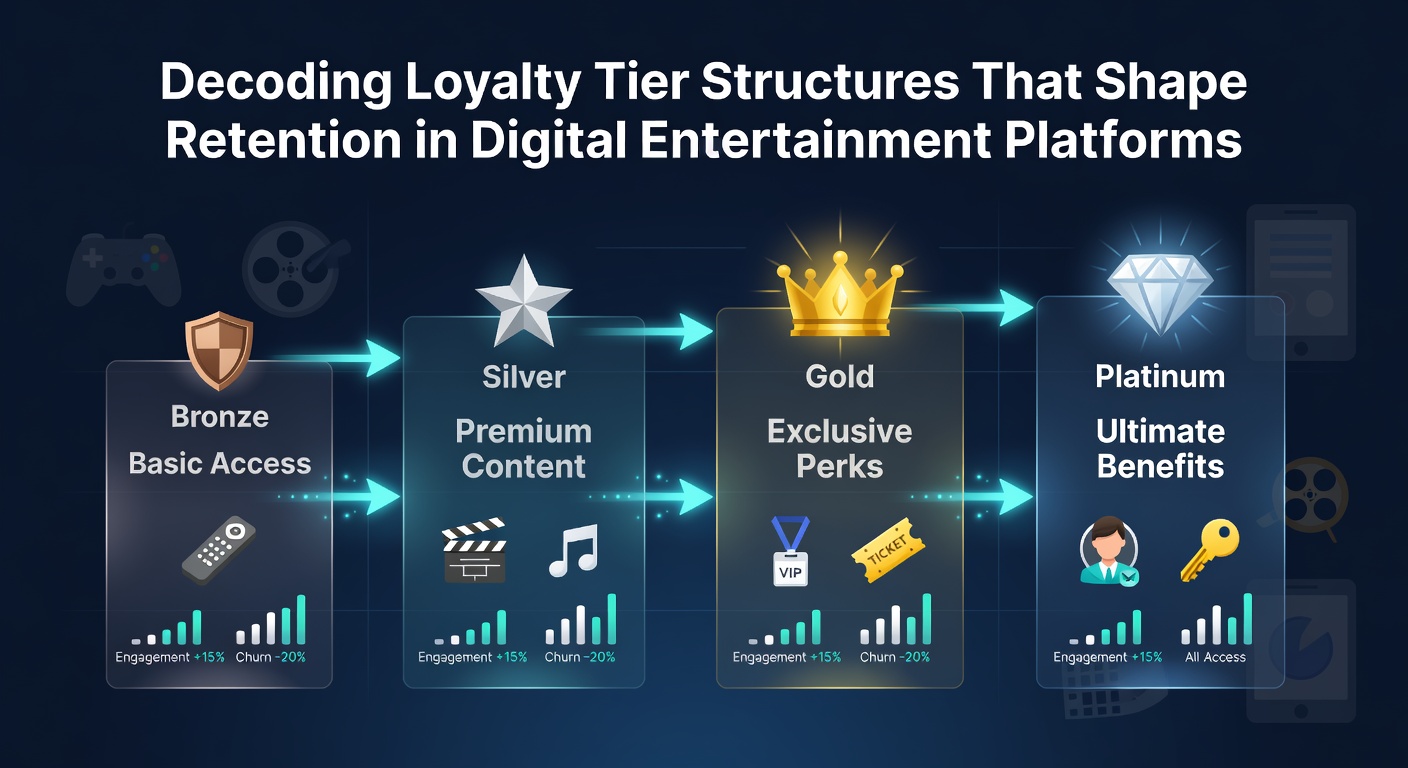
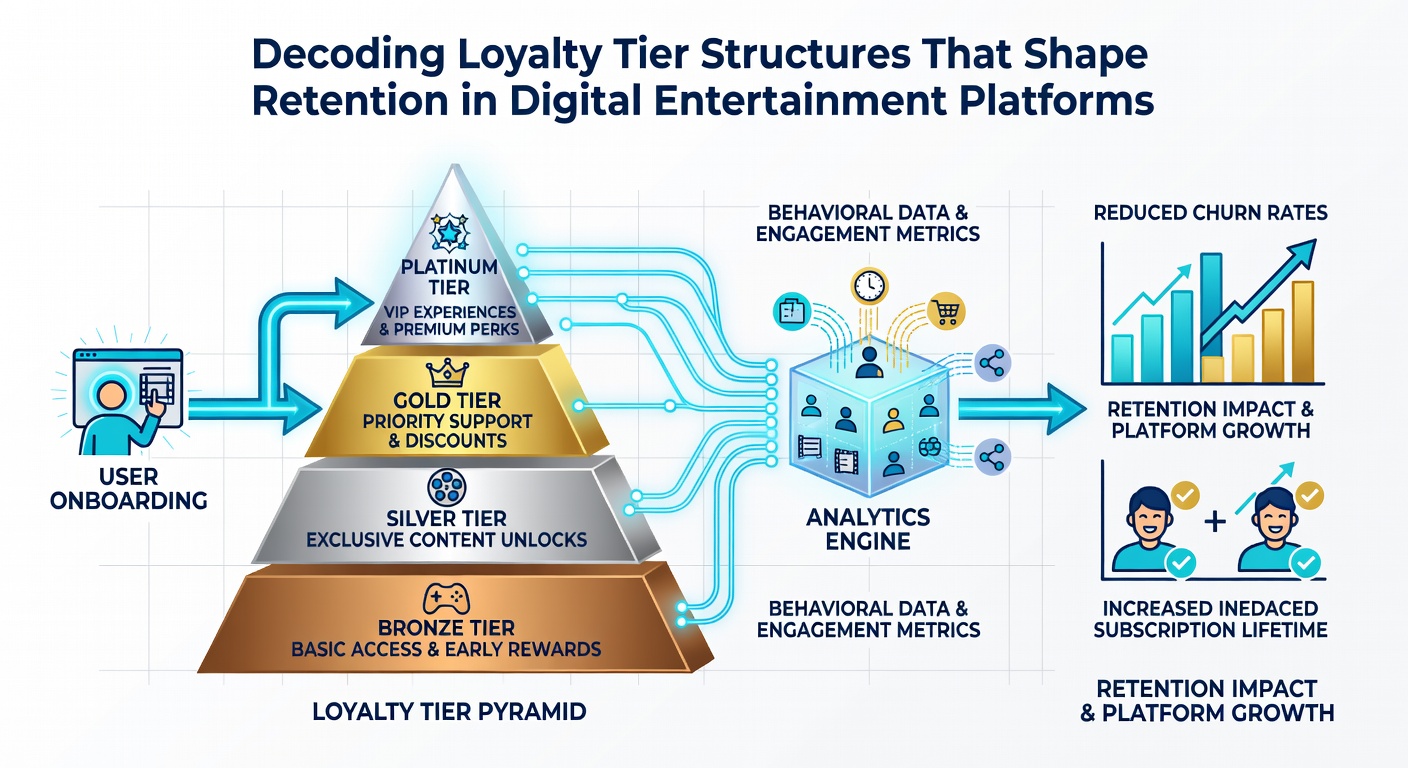
Digital entertainment platforms use structured loyalty tiers to organize rewards and encourage ongoing participation, with entry points typically beginning at basic levels before advancing through intermediate and premium stages based on accumulated activity metrics such as deposits, wagers, or session durations. These systems assign users to categories like bronze, silver, gold, and platinum where each tier unlocks escalating perks including enhanced cashback percentages, priority customer support access, and exclusive event invitations, while data from industry analyses shows that participants in higher tiers demonstrate longer average account lifespans compared to those remaining at entry levels.
Platform operators calculate tier progression through points earned from qualifying actions, and many reset qualification periods annually or quarterly to maintain momentum; observers note that this approach creates clear pathways for advancement, yet it also requires consistent engagement to avoid demotion, which in turn shapes how users plan their interactions over extended periods. Research indicates that such mechanisms appear across casino applications, sports betting sites, and interactive streaming services alike, where retention hinges on perceived value from tier-specific benefits rather than isolated promotions.
Mechanics Behind Tier Qualification and Advancement
Users accumulate loyalty points primarily through financial commitments like deposits or betting volumes, although some platforms incorporate non-monetary activities such as daily logins or social shares to broaden accessibility. Advancement thresholds vary by provider, with lower tiers requiring modest point totals while elite levels demand substantial cumulative activity often measured in tens of thousands of points over several months. Once achieved, tier status typically grants immediate access to differentiated reward structures that scale in generosity, and periodic reviews allow operators to adjust criteria based on aggregate user behavior patterns observed in their datasets.
What's interesting here is how multi-tier frameworks incorporate time-bound challenges or multipliers during promotional windows, which accelerate movement between levels for active participants while slower movers receive reminders through app notifications. External factors including regional regulations influence these designs, as seen in frameworks outlined by bodies like the New Jersey Division of Gaming Enforcement that emphasize transparent point valuation and fair progression rules to protect participants.
Comparative Benefits Across Loyalty Levels
Entry-level tiers usually deliver foundational perks such as standard cashback rates around one to two percent alongside basic birthday bonuses, whereas mid-tier status introduces elevated percentages, fee waivers on withdrawals, and access to specialized game libraries or betting markets. Higher tiers extend further with dedicated account managers, customized bonus packages, and invitations to offline events or tournaments that foster community connections among top participants. Data shows these graduated incentives correlate with increased session frequencies, since users in advanced categories receive reminders of their status through visual dashboards that track remaining points needed for the next upgrade.
Take one operator who implemented dynamic tier adjustments in response to seasonal activity dips, where users received bonus point accelerators during slower months; this adjustment helped stabilize retention curves according to internal metrics shared in trade discussions. Industry organizations such as the American Gaming Association have documented similar patterns across multiple jurisdictions, noting that tiered structures contribute to higher lifetime value calculations when paired with responsible play tools.
Retention Patterns and Supporting Evidence
Retention metrics improve when platforms align tier rewards with user preferences identified through behavioral analytics, for instance by offering sports enthusiasts early access to enhanced odds or casino players personalized free spin allocations based on historical play styles. Studies from academic sources reveal that segmented reward delivery reduces churn rates by addressing specific motivations at each tier stage, and platforms that refresh tier catalogs periodically maintain engagement levels even among long-term users who might otherwise plateau. Figures from Canadian regulatory reviews highlight how transparent communication of tier rules correlates with sustained participation, particularly when users receive progress updates via email summaries or in-app trackers.
Yet challenges arise when qualification requirements feel unattainable for casual participants, leading some operators to introduce hybrid models that blend spend-based points with engagement milestones like completing quests or referring contacts. As of June 2026, several major platforms reported refined algorithms that predict optimal tier placements for individual accounts, drawing on machine learning models trained against anonymized retention histories across diverse user segments.
Implementation Variations in Different Markets
European operators often emphasize compliance-driven transparency in tier disclosures, while North American and Asia-Pacific providers experiment with gamified elements such as leaderboards that display tier standings relative to peers without revealing personal data. These regional differences reflect varying consumer expectations and oversight priorities, yet the core objective remains consistent: converting one-time visitors into habitual users through escalating value propositions. Reports from research institutions indicate that cross-platform loyalty integrations, where users transfer tier status between affiliated entertainment services, further amplify retention effects by creating ecosystem-wide incentives.
Conclusion
Tiered loyalty architectures continue to evolve as digital entertainment platforms refine their approaches to user segmentation and reward calibration, incorporating feedback loops that adjust benefit structures based on performance indicators. Observers note sustained interest in these models because they provide measurable pathways for users to access greater value while delivering operators with predictable engagement signals that support long-term planning. Continued monitoring of retention outcomes across varied implementations will likely shape refinements in the years ahead, particularly as new data sources emerge from expanded platform ecosystems.