Instant Bank Transfers Reshape Retention Dynamics at Virtual Blackjack Tables
Taylor Richter · Jul 12, 2026
Instant Bank Transfers Reshape Retention Dynamics at Virtual Blackjack Tables
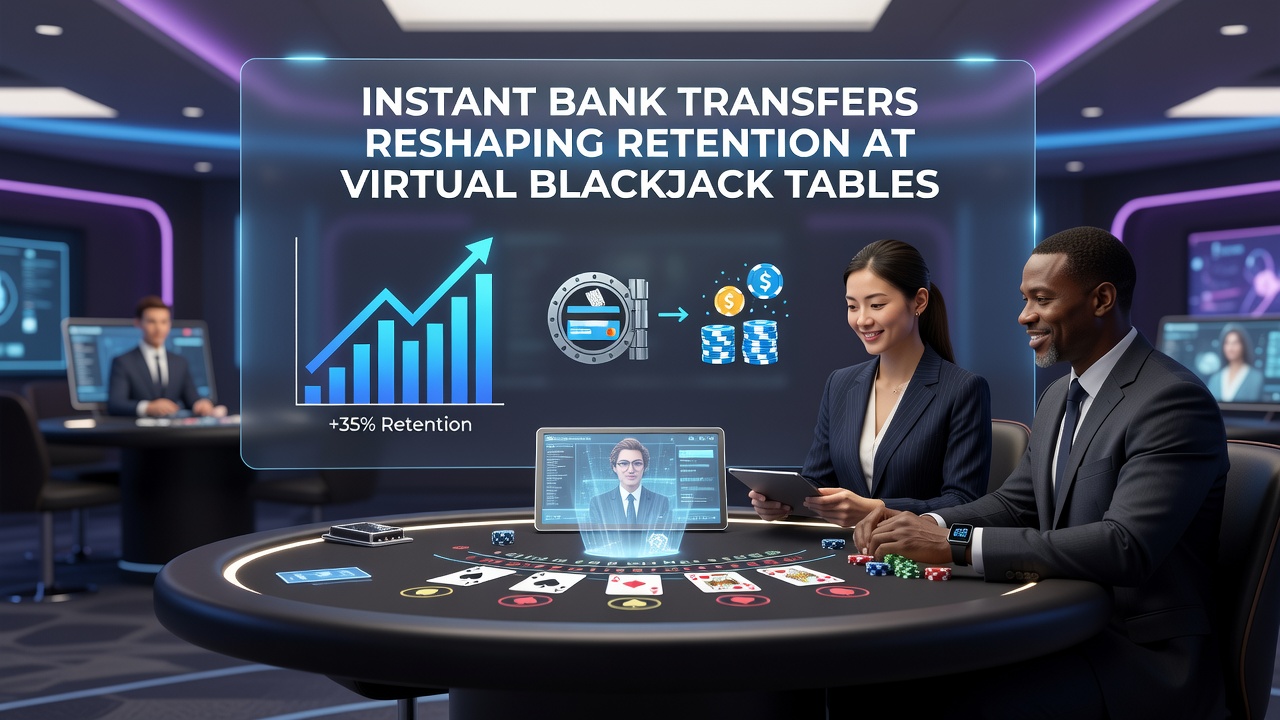
Instant bank transfers have become a central feature in online casino operations, allowing players to move funds between their accounts and gaming platforms in seconds rather than days, and this shift directly influences how long participants remain engaged at virtual blackjack tables. Operators report that reduced transaction friction leads to extended play sessions because players can replenish balances without leaving the game interface, while data from payment processors shows average deposit completion times dropping below ten seconds in supported regions.
Virtual blackjack environments benefit particularly from these capabilities since the game relies on continuous decision-making cycles that reward sustained attention. When withdrawal and deposit processes align with real-time play, participants encounter fewer interruptions that previously prompted session endings, and industry tracking indicates session durations have increased by measurable margins where instant options dominate.
Mechanics Driving the Change
Modern payment rails such as open banking frameworks and faster settlement networks connect directly to casino wallets, enabling verification through existing bank credentials without manual entry of card details. Players initiate a transfer through their mobile banking app or integrated casino portal, funds appear immediately in the gaming balance, and the same pathway supports instant cashouts once a session concludes. This two-way speed eliminates the lag that once forced users to pause or switch activities, and operators note that blackjack tables retain users across multiple shoe reshuffles because the financial loop closes seamlessly.
Security protocols have kept pace with speed enhancements through tokenization and real-time fraud screening that flags anomalies before funds move. Regulatory frameworks in multiple jurisdictions require these layers, yet the added checks occur within the same sub-second window that makes the overall experience feel instantaneous to the end user.
Retention Patterns at Blackjack Tables
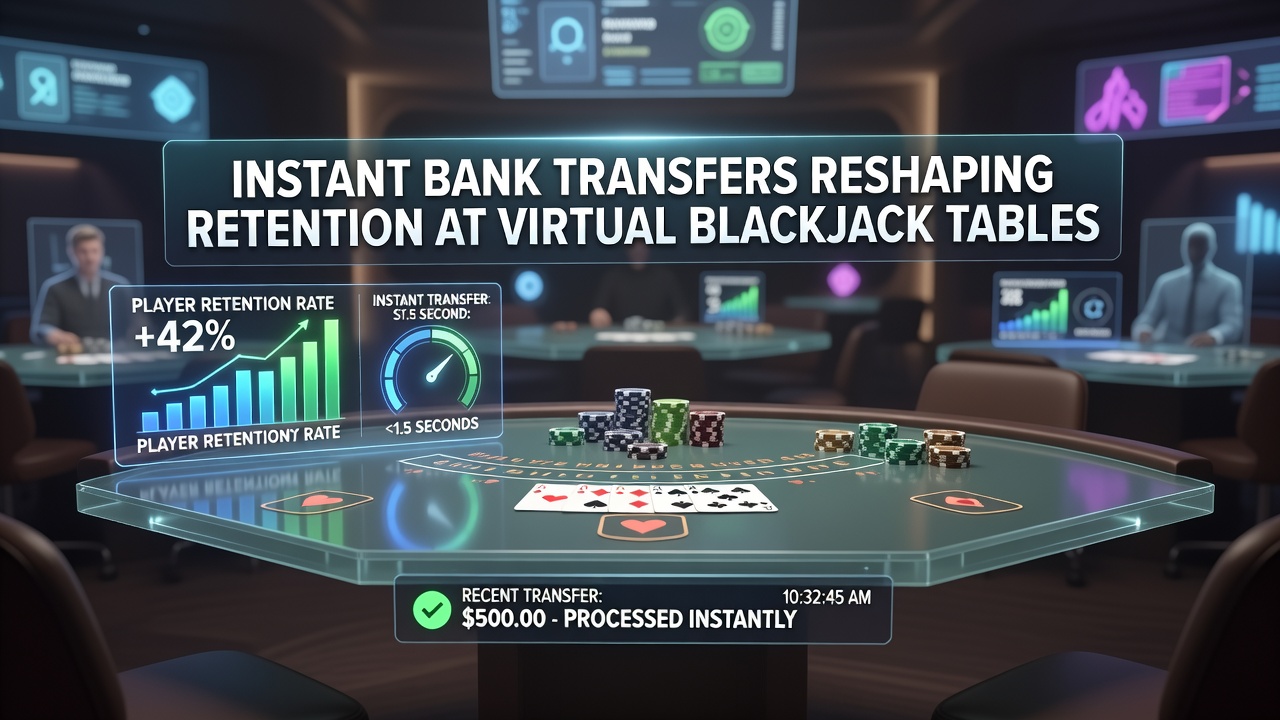
Retention analytics reveal that virtual blackjack rooms equipped with instant transfer tools show higher repeat visit rates compared to those limited to traditional methods. Players who complete a deposit mid-session tend to extend their time at the table rather than log off, a pattern that compounds across daily and weekly activity metrics. Observers note that the ability to chase a specific strategy or recover from a downswing without delay keeps participants inside the environment longer, while aggregate platform data indicates a measurable lift in table occupancy during peak evening hours.
One study from the University of Nevada Las Vegas tracked user cohorts across several months and found that integration of instant transfers correlated with a sustained increase in average hands played per visit. The research highlighted that blackjack, as a skill-influenced game, benefits when financial barriers between decisions remain minimal, allowing strategic adjustments to unfold without external friction.
Global Implementation Trends
European markets adopted instant transfer standards earlier through regulatory mandates that encouraged open banking, and operators there documented steady growth in blackjack table retention metrics through 2025 and into mid-2026. North American platforms followed with state-by-state rollouts, where jurisdictions permitting real-time payments saw similar upticks in session continuity. Australian operators, guided by the Australian Communications and Media Authority guidelines on payment speed, reported comparable patterns among domestic users who favor mobile-first blackjack variants.
July 2026 figures from several international operators indicate that platforms offering instant options captured a larger share of returning blackjack traffic than slower competitors, with cross-border comparisons showing retention differentials of up to fifteen percent in markets with mature instant infrastructure. Industry groups such as the American Gaming Association have compiled these regional datasets to illustrate how payment velocity influences overall platform loyalty across game types.
Player Behavior and Platform Adjustments
Behavioral tracking tools reveal that users who utilize instant transfers during blackjack sessions display different engagement curves than those relying on delayed methods. Deposit events cluster around pivotal moments such as doubling down opportunities or recovery attempts, and these micro-transactions keep the table active rather than allowing natural attrition. Platforms have responded by embedding transfer prompts directly into the game UI, reducing clicks needed to complete a top-up and thereby preserving immersion.
Case examples from mid-sized operators demonstrate that after introducing instant capabilities, the proportion of players completing at least three consecutive sessions per week rose steadily. These adjustments occurred without changes to game rules or bonus structures, pointing to transaction speed as the primary variable behind the retention shift.
Conclusion
Instant bank transfers continue to alter the operational landscape for virtual blackjack by minimizing the time between financial actions and gameplay decisions. Data across multiple regions shows consistent patterns of extended sessions and improved return rates where these tools operate at scale, and ongoing infrastructure developments suggest further integration in additional markets through the remainder of 2026. The connection between payment velocity and table retention stands as a measurable outcome supported by platform analytics and independent research tracking.