Instant Banking Solutions Powering Growth in Regulated Mobile Table Game Environments
Erik Otto · Aug 23, 2026
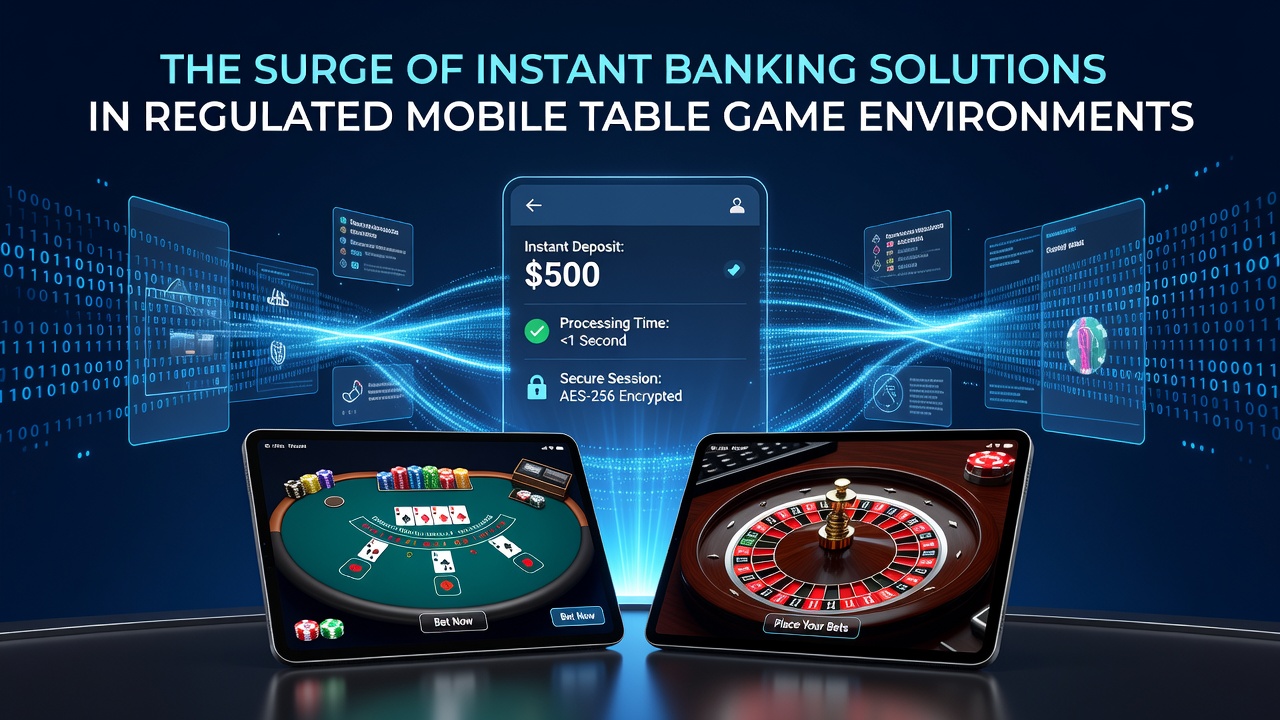
Instant Banking Solutions Powering Growth in Regulated Mobile Table Game Environments
Instant banking solutions have expanded rapidly within regulated mobile table game platforms, where players engage with games such as blackjack, roulette, and baccarat through smartphone applications. These solutions enable deposits and withdrawals that complete in seconds rather than hours or days, relying on open banking protocols and direct bank integrations that comply with licensing requirements in multiple jurisdictions. Data indicates that transaction speeds have improved player retention metrics in environments where table games demand continuous participation without interruption from payment delays.
Core Technologies Driving Instant Transfers
Developers integrate application programming interfaces from financial institutions that support real-time authorization, allowing funds to move between player bank accounts and gaming wallets without intermediary processing stages. In practice, this setup uses secure tokenization to verify identities while maintaining encryption standards that align with data protection rules. Observers note that platforms incorporating these tools report fewer abandoned sessions during live dealer sequences, since players avoid the friction of traditional card or e-wallet steps that once required multiple confirmations.
Systems built on protocols such as those outlined in the European Union's revised payment services framework have set benchmarks for speed, yet operators in other regions adapt similar architectures to local banking networks. Research from the Nevada Gaming Control Board shows that licensed mobile operators using instant rails processed higher volumes of table game wagers per active user by mid-2026 compared with earlier periods that relied on slower methods.
Regulatory Structures Supporting Adoption
Licensing authorities require that instant banking features undergo testing for anti-money laundering controls and responsible gambling triggers before deployment. These checks include automated velocity limits and transaction monitoring that flag unusual patterns without halting legitimate play. Jurisdictions outside the United Kingdom, including those overseen by iGaming Ontario and the Malta Gaming Authority, have published guidelines that explicitly address real-time payment rails in mobile environments.
By August 2026, several markets recorded measurable increases in licensed mobile table game traffic following the rollout of compliant instant options. Figures from the Australian Gambling Research Centre indicate that operators meeting these standards experienced steadier participation rates across blackjack and roulette variants, where timing affects strategy decisions and overall session length.
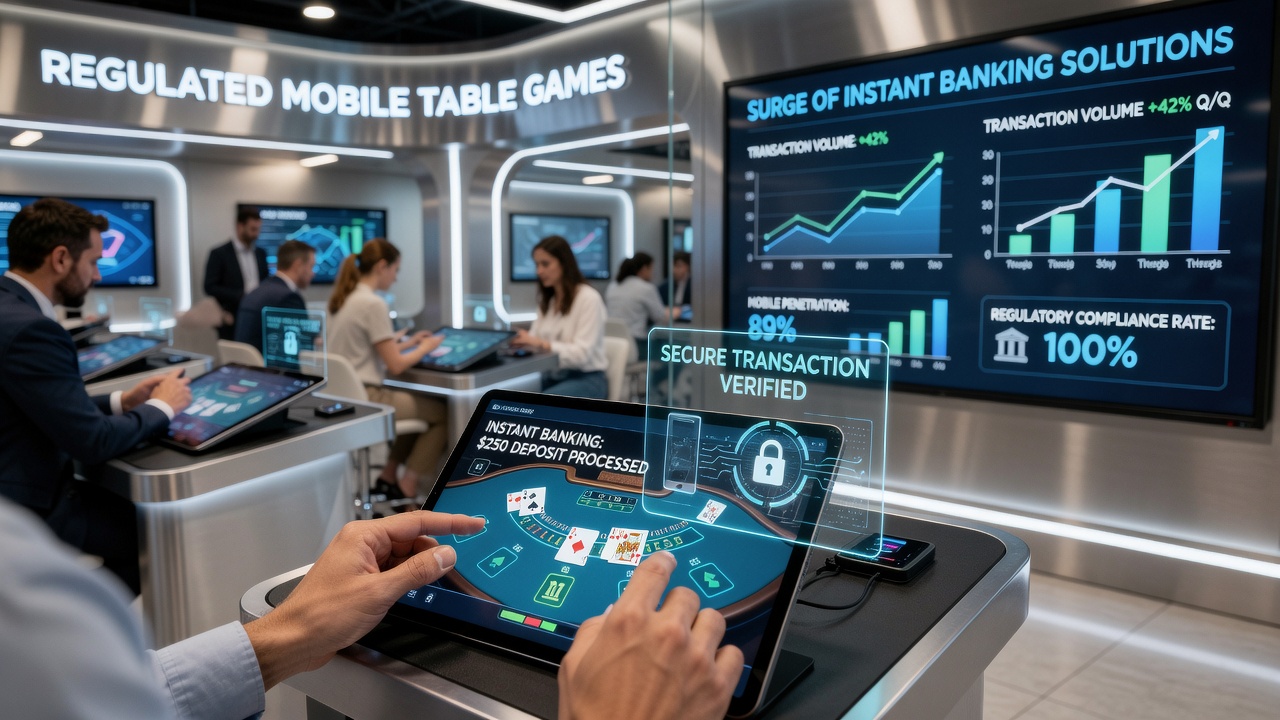
Impact on Mobile Table Game Dynamics
Table games on mobile devices benefit when banking occurs without leaving the application, because players remain immersed in betting rounds that unfold in real time. Instant withdrawals, for instance, let participants access winnings immediately after a session ends, which aligns with the shorter attention spans observed in smartphone usage patterns. Providers have documented that such features correlate with elevated repeat login rates, particularly during evening hours when table game traffic peaks.
Integration also supports promotional mechanics such as instant bonus crediting, which activates upon deposit confirmation and applies directly to eligible table game wagers. This linkage reduces the gap between funding an account and placing the first bet, a factor that data shows influences conversion from free-play modes to real-money tables.
Market Examples Across Regions
Operators in North American markets have paired instant banking with geofencing technology to ensure compliance while delivering seamless experiences to verified users. In one documented rollout, a platform serving regulated Canadian provinces reported that average deposit amounts rose after introducing direct bank transfers that settled in under ten seconds. Similar patterns appear in Australian licensed environments, where state-level rules encourage payment methods that maintain audit trails for every transaction.
European platforms operating under multi-jurisdictional licenses have combined instant solutions with player self-exclusion databases, creating an automated check that occurs during each funding attempt. Those who've studied these implementations observe that the combination maintains regulatory integrity without adding perceptible delays to the user interface.
Conclusion
Instant banking continues to embed itself into regulated mobile table game ecosystems through standardized technical and compliance layers that operate across borders. Evidence from regulatory filings and industry reports demonstrates consistent growth in transaction volumes and session metrics where these solutions function under active oversight. As infrastructure matures further into late 2026, additional jurisdictions are expected to formalize requirements that balance speed with consumer safeguards already in place.