Live Dealer Systems and Digital Wallets: A Technological Convergence in Gaming
Erik Zimmermann · Jul 14, 2026
Live Dealer Systems and Digital Wallets: A Technological Convergence in Gaming
Live dealer platforms have expanded rapidly since their initial rollout in the early 2000s, relying on high-definition video streams, optical character recognition software, and real-time chat functions to replicate physical casino environments for remote participants, while digital wallet solutions such as e-wallets, blockchain-based tokens, and instant bank transfer services have developed in parallel to address speed and security demands in financial transactions.
Those who track industry metrics observe that live dealer games now account for a growing share of remote gaming revenue in multiple jurisdictions, because operators integrate these streams with backend systems that process bets within seconds of player input, and emerging wallet technologies allow deposits and withdrawals to complete without traditional banking delays that once interrupted session flow.
Core Components of Live Dealer Infrastructure
Modern live dealer setups use multiple camera feeds, random number generators for auxiliary games, and dealer interface terminals that record every card or wheel outcome, yet the addition of digital wallet APIs has enabled automatic balance updates that sync with these outcomes almost instantaneously across mobile and desktop clients.
Research from the European Gaming and Betting Association shows that transaction times for live table games dropped significantly once operators adopted wallet protocols supporting near-field communication and tokenized payments, because these methods bypass intermediary clearing houses that previously added processing layers.
Digital Wallet Developments Relevant to Real-Time Play
Digital wallets have moved beyond basic storage functions to include features such as programmable spending limits, multi-currency conversion at teh point of play, and biometric authentication layers that verify user identity before each session begins, and these capabilities align directly with live dealer requirements for uninterrupted participation over extended periods.
Data from payment infrastructure providers indicates that adoption of solutions like PayPal, Skrill, and various stablecoin networks increased among gaming operators between 2023 and 2025, since these tools reduce chargeback rates while maintaining compliance records that regulators review during audits.
Integration Points and Technical Synergies
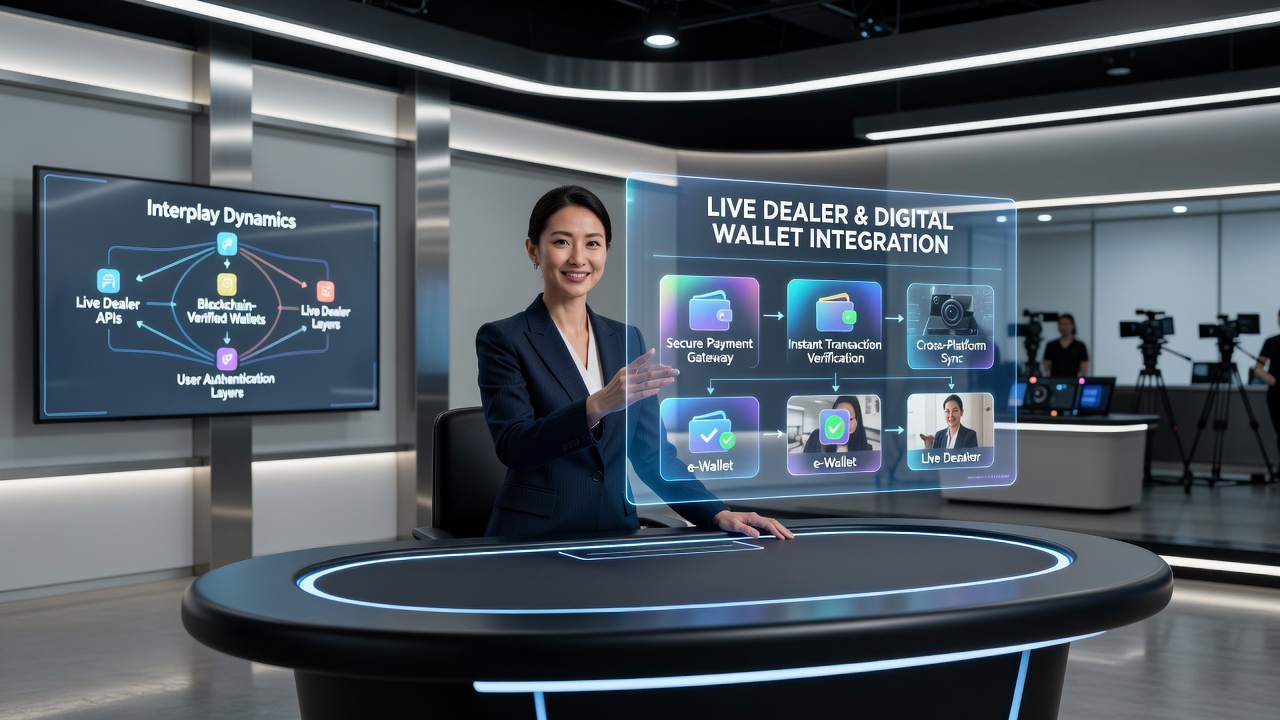
Operators connect live dealer platforms to digital wallets through secure application programming interfaces that transmit bet amounts and payout instructions in encrypted packets, allowing the dealer interface to reflect updated balances without requiring players to leave the game window, and this seamless linkage has become standard in many European and Asian markets by mid-2026.
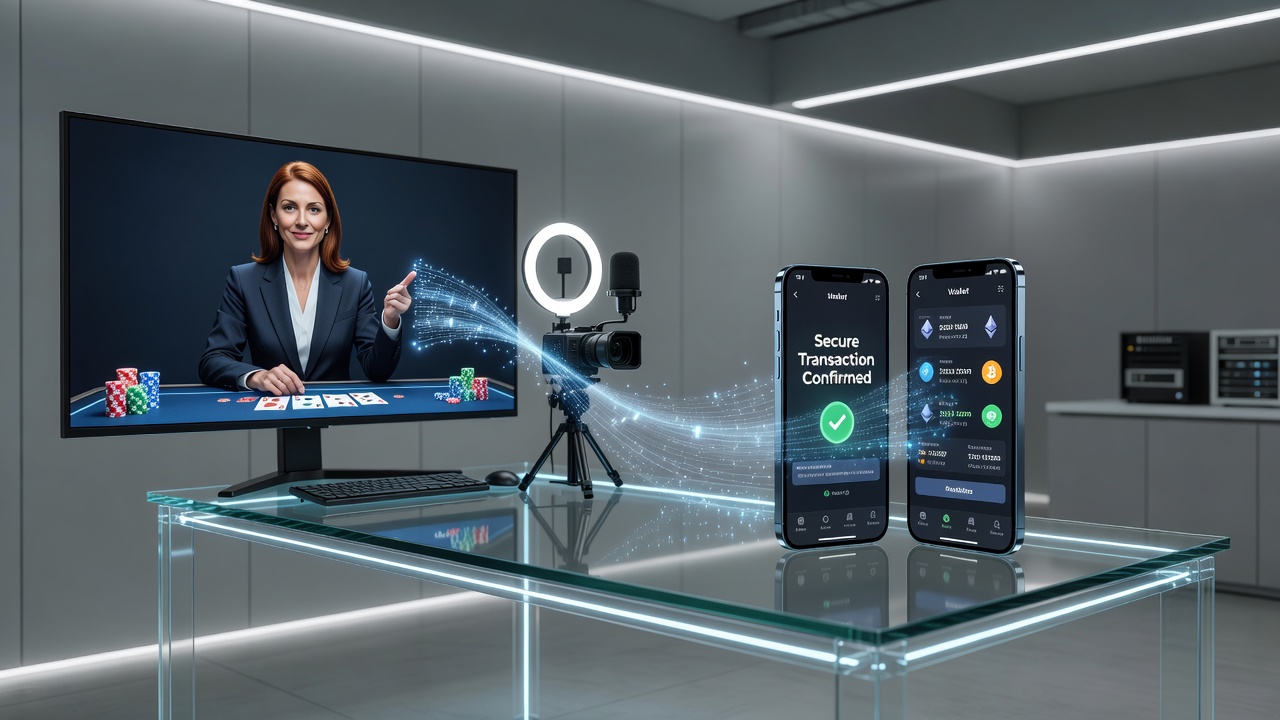
One case study presented at a 2025 gaming technology conference in Malta detailed how a single operator merged its live blackjack tables with a blockchain wallet system, resulting in average session lengths rising because players no longer paused to navigate separate banking portals, while transaction logs fed directly into responsible gaming monitoring tools used by oversight bodies in that region.
Security protocols now combine end-to-end encryption from wallet providers with the existing SSL certificates on live streams, creating layered protections that address both financial data and gameplay integrity simultaneously, and observers note that such combined frameworks have lowered reported incidents of unauthorized access in audited facilities.
Regulatory and Market Context Through 2026
Authorities in Canada and Australia have issued guidance documents on digital payment integration within live gaming environments, emphasizing requirements for transaction transparency and player fund segregation, while similar frameworks in parts of Latin America encourage wallet operators to maintain real-time reporting feeds that align with live dealer audit trails.
Figures released in July 2026 from regional gaming associations revealed that markets permitting rapid wallet-to-table transfers recorded higher percentages of repeat participation compared with those relying solely on card-based methods, because the reduced friction encouraged continued engagement without extended breaks for funding verification.
Challenges in Maintaining Compatibility
Despite these advances, compatibility issues persist when older live dealer software encounters newer wallet standards that employ different encryption schemas or require additional compliance checks before fund release, and developers continue to release updates that address these mismatches through standardized protocols agreed upon by industry working groups.
Network latency remains a consideration in regions with variable internet infrastructure, since live video feeds and simultaneous wallet confirmations compete for bandwidth, yet compression techniques and edge server deployments have mitigated many of these bottlenecks according to technical reports issued by equipment manufacturers.
Conclusion
The interplay between live dealer technologies and digital wallet solutions continues to evolve through incremental software refinements and regulatory adaptations that prioritize both operational efficiency and participant protection, and available data through July 2026 demonstrates measurable improvements in transaction speed and session continuity where these systems operate in tandem. Operators that maintain updated integrations report consistent alignment with compliance standards across multiple jurisdictions, while ongoing technical collaboration between gaming platforms and payment providers supports further refinements expected in subsequent reporting periods.