Payment Innovations and Their Role in Boosting Participation Within Licensed Digital Card Rooms
Taylor Richter · Aug 6, 2026
Payment Innovations and Their Role in Boosting Participation Within Licensed Digital Card Rooms
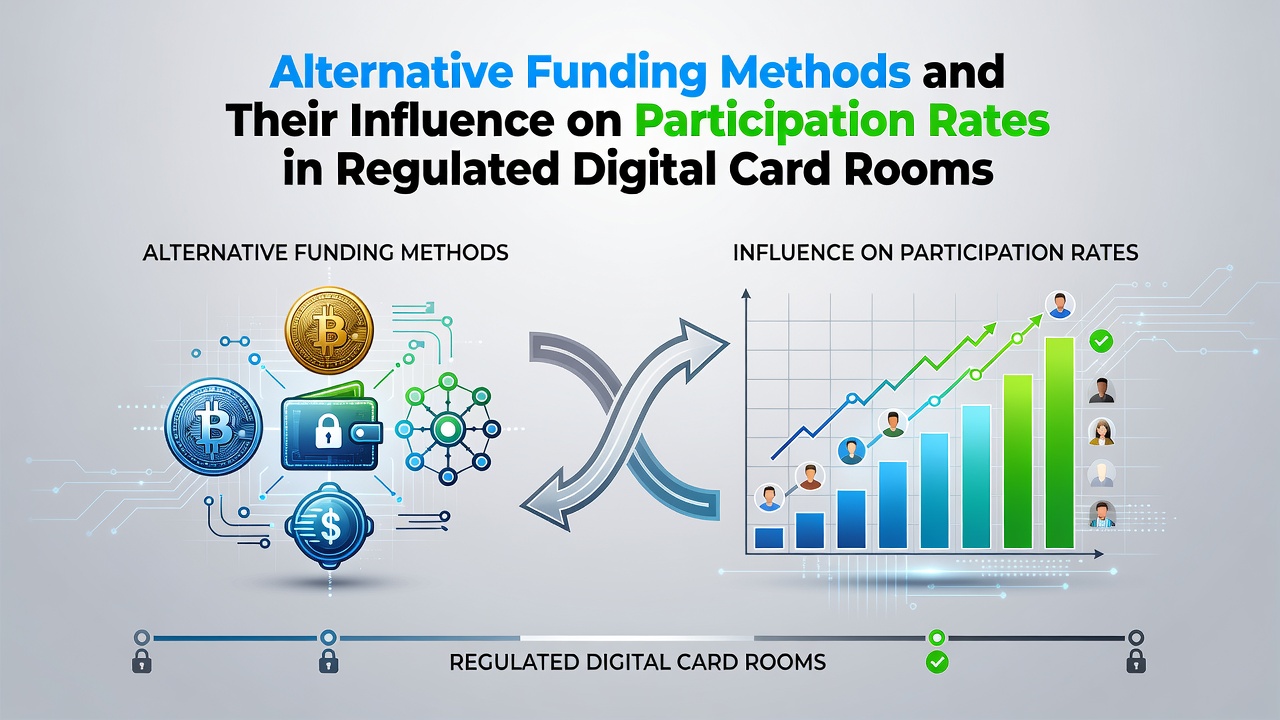
Alternative funding methods have expanded access to regulated digital card rooms in recent years, with platforms incorporating options such as e-wallets, cryptocurrencies, instant bank transfers, and prepaid cards alongside traditional credit card processing. These approaches allow players to fund accounts through channels that bypass conventional banking restrictions in certain jurisdictions, and data from multiple regulatory bodies indicate measurable changes in participation rates where such methods see broader adoption.
Types of Alternative Funding Methods in Regulated Environments
Regulated operators in markets including parts of the United States, Canada, and Australia have integrated several non-traditional payment solutions that comply with local licensing requirements. E-wallets like PayPal and Skrill facilitate quicker deposits and withdrawals while maintaining transaction records required for compliance, whereas cryptocurrency options such as Bitcoin and stablecoins provide additional privacy layers without compromising audit trails when operators follow established protocols.
Instant bank transfer systems, including those powered by open banking frameworks, connect player accounts directly to card room platforms and reduce processing times from days to seconds in many cases. Prepaid voucher systems and mobile payment integrations round out the list, giving participants flexibility based on their preferred banking relationships and regional availability.
Data on Participation Rate Changes
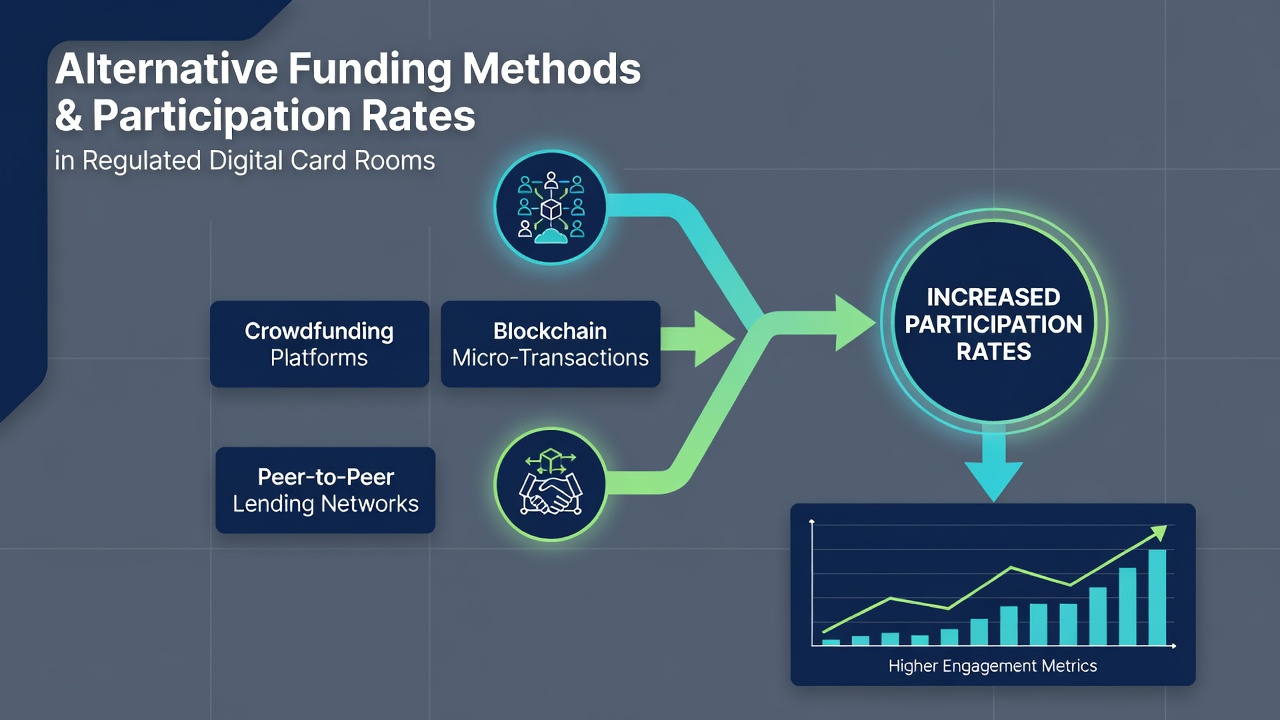
Figures from the New Jersey Division of Gaming Enforcement reveal that sites offering multiple alternative funding methods recorded participation increases of up to 18 percent in active player accounts between 2024 and mid-2026. Similar patterns appear in Ontario, where the Alcohol and Gaming Commission of Ontario reported that platforms accepting crypto deposits saw session frequency rise by 12 percent during the same period.
Researchers at the University of Nevada, Las Vegas tracked player behavior across several licensed networks and found that diversification of funding options correlated with higher retention among users who previously cited banking friction as a barrier to entry. The study examined transaction logs from 2025 through August 2026 and noted that players utilizing e-wallets or instant transfers maintained consistent activity levels even during seasonal dips observed in prior years.
Geographic Variations in Adoption and Impact
European markets outside the UK have shown distinct outcomes depending on local banking regulations and tax structures. In certain EU member states, operators that introduced stablecoin options reported steadier month-over-month participation compared with those relying solely on card payments, according to aggregated industry reports compiled by gaming associations in the region. Australian regulators have documented parallel trends, where prepaid and digital wallet methods helped maintain engagement levels among younger demographics who favor mobile-first financial tools.
North American data further illustrates how state-by-state differences in permitted methods influence overall numbers. Jurisdictions that approved crypto funding earlier saw quicker uptake, while areas still transitioning to open banking frameworks experienced more gradual shifts in participation metrics.
Regulatory Compliance and Security Considerations
Licensed operators must align alternative funding integrations with strict know-your-customer and anti-money laundering standards enforced by oversight bodies across different regions. These requirements include transaction monitoring thresholds and source-of-funds verification that apply equally to traditional and emerging payment channels.
Security protocols such as multi-factor authentication and encrypted transfer pathways have become standard features when platforms expand funding options. Observers note that platforms investing in these safeguards alongside new payment methods tend to sustain higher participation without triggering additional regulatory scrutiny.
Conclusion
Alternative funding methods continue to reshape how players interact with regulated digital card rooms, with available data showing clear correlations between payment diversity and participation metrics across multiple jurisdictions. As licensing frameworks evolve through 2026 and beyond, operators and regulators alike track these developments to maintain both accessibility and compliance standards in the sector.