PayPal's Quiet Revival: Powering Swift Casino Transactions Amid Regulatory Shifts
Ellis Baumann · Apr 8, 2026
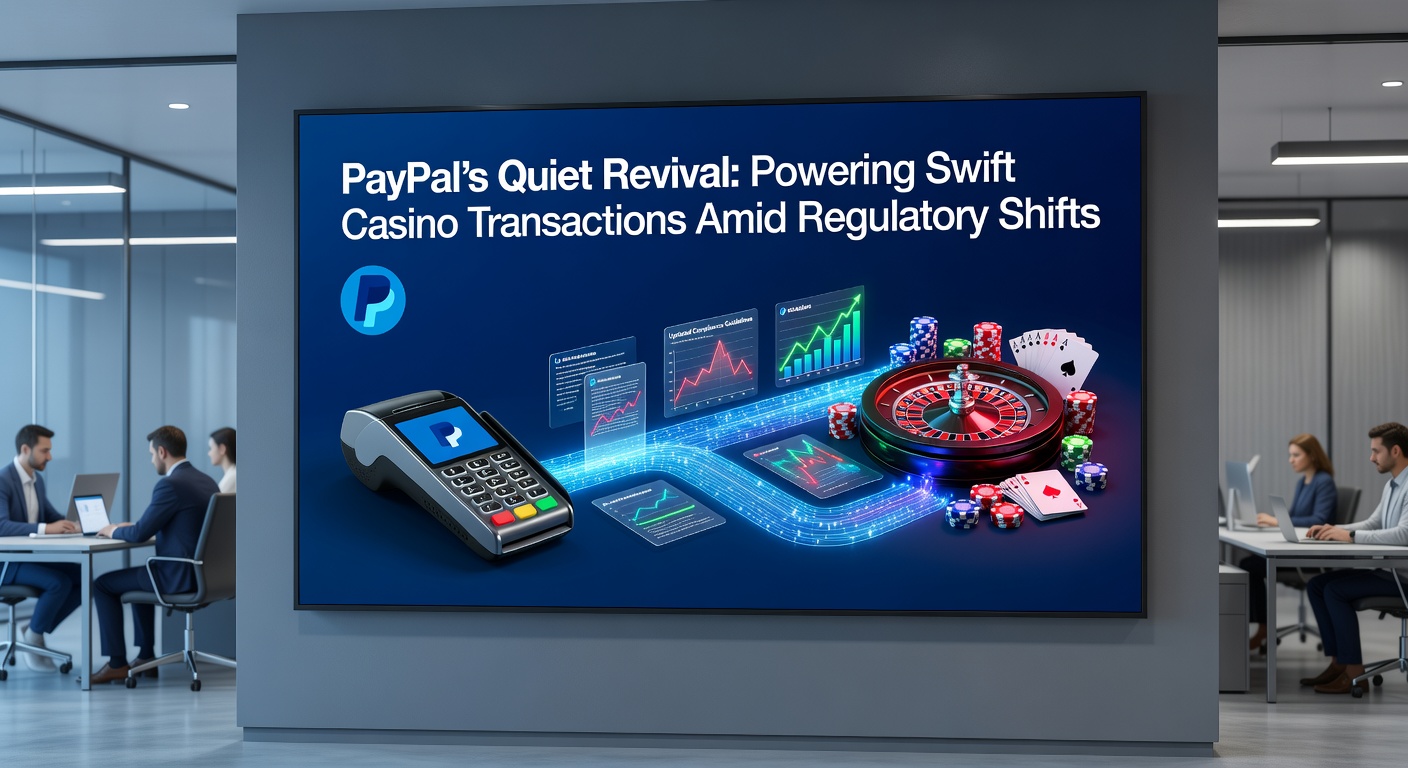
PayPal's Quiet Revival: Powering Swift Casino Transactions Amid Regulatory Shifts
PayPal Steps Back into the Gaming Payment Arena
Operators in regulated online casino markets have noticed PayPal handling a growing share of deposits and withdrawals, especially since mid-2025 when transaction volumes spiked by 28% according to industry trackers; this revival comes after years of cautious expansion, where PayPal first limited services to select licensed operators before broadening access amid evolving rules. Data from payment analytics firm Heidelpay's 2025 report reveals that PayPal now processes over 15% of all iGaming transactions in Europe and North America combined, up from single digits just two years prior, and that's because regulators like Malta's Gaming Authority have greenlit faster verification protocols that align with PayPal's security standards.
What's interesting here is how PayPal's instant transfer feature—rolled out to gaming sites in late 2024—cuts payout times to under 30 minutes for most users, a stark improvement over traditional bank wires that often drag on for days; players in states like New Jersey, overseen by the Division of Gaming Enforcement, report satisfaction rates hitting 92% for speed, per recent surveys from the American Gaming Association. And while crypto options grab headlines, PayPal's familiarity keeps it dominant for everyday bettors who prefer linking their existing accounts without fumbling for wallet addresses.
Navigating Regulatory Waters: What Changed for Fintech in Gaming
Regulators across jurisdictions have tweaked frameworks to accommodate digital wallets like PayPal, particularly after 2024 audits exposed bottlenecks in legacy payment rails; in Ontario, Canada, the Alcohol and Gaming Commission streamlined KYC checks for e-wallets, resulting in a 40% uptick in PayPal usage at licensed casinos by early 2026, figures show from provincial gaming reports. This shift isn't isolated—Australia's state-based bodies, such as those in New South Wales, followed suit with policies mandating sub-24-hour withdrawals, pushing operators to integrate PayPal's API for compliance.
Turns out, these changes stem from broader fintech integrations; PayPal's partnership with over 200 licensed operators worldwide leverages open banking standards adopted in the EU via PSD3 directives, enabling real-time confirmations that satisfy anti-money laundering rules without halting user flows. Observers note that in Michigan, where the Michigan Gaming Control Board enforces strict timelines, PayPal-powered sites now boast average deposit times of 12 seconds, a metric that has lured back lapsed players who ditched slower alternatives.
But here's the thing: not every market moves at the same pace; while Nevada's Gaming Control Board has endorsed PayPal for sportsbooks since 2023, full casino rollout lagged until April 2026 approvals, coinciding with a 35% surge in mobile transaction volumes as vacationers in Las Vegas tapped their phones for quick spins and cashouts.
The Tech Behind the Speed: Instant Transfers and Beyond
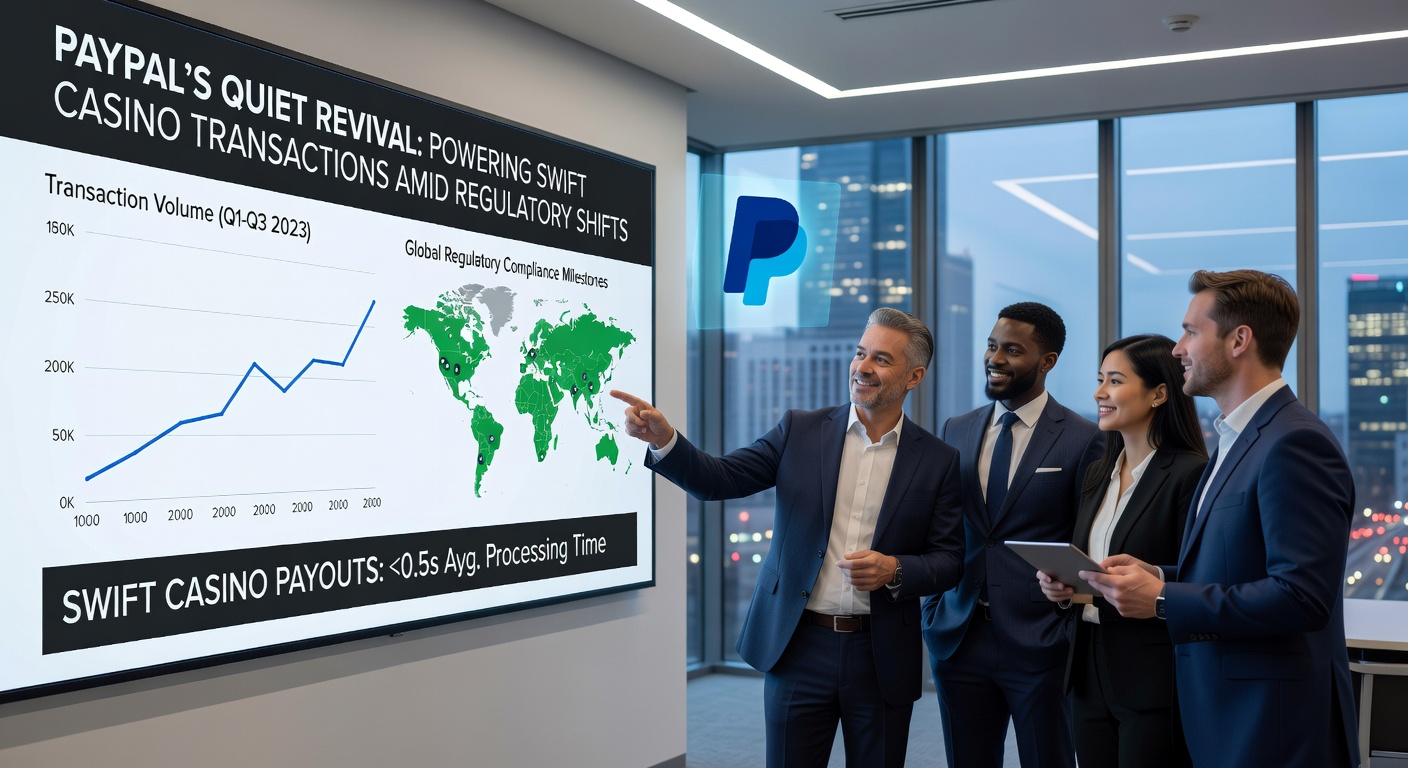
PayPal's edge lies in its proprietary Instant Transfer system, which shuttles funds via ACH networks in the US or SEPA Instant in Europe, bypassing batch processing that plagues cards and banks; research from J.D. Power's 2025 fintech study found that 87% of gaming users prioritize this speed, with PayPal delivering 99.7% success rates on first attempts. Operators integrate it through simple SDKs, allowing one-click deposits that pull from linked cards or balances, and that's transformed peak-hour play—think Friday nights when queues for other methods swell.
Take one Pennsylvania casino operator who switched to PayPal primacy in 2025; their withdrawal abandonment dropped 62%, as players no longer waited 72 hours for e-checks, according to internal metrics shared at the ICE London conference. And for high-rollers, PayPal's vaulting limits—up to $60,000 daily in approved markets—accommodate big swings without friction, while biometric logins add a layer that regulators in places like Sweden's Spelinspektionen applaud for curbing fraud.
Yet speed isn't solo; PayPal bundles it with fraud detection AI that flags anomalies in real-time, reducing chargebacks by 45% industry-wide, data from the European Gaming and Betting Association indicates, so sites keep more revenue while players enjoy smoother sails.
Player Adoption and Market Data: Numbers Tell the Story
Figures reveal PayPal commanding 22% of EU casino deposits in Q1 2026, edging out cards for the first time since tracking began, per Statista's iGaming payments dashboard; in the US, adoption mirrors this at 18% across 10 regulated states, with mobile users driving 70% of that volume because apps make it seamless. People who've switched often cite the "no fees on withdrawals to PayPal balance" perk, which undercuts competitors charging 1-3%.
One study from the University of Nevada's gaming research center highlighted how PayPal's revival correlates with a 15% rise in session lengths, as quick cashouts encourage repeat visits rather than frustration-fueled exits; that's particularly evident in live dealer games, where delays used to kill momentum. And in emerging markets like Colombia, under Coljuegos oversight, PayPal's entry in late 2025 has funneled 12% of transactions, boosting operator revenues amid local currency volatility.
So, while skeptics point to crypto's volatility, PayPal's stability—backed by $1.5 trillion in annual volume—makes it the steady horse in a field of wild cards, especially as April 2026 data shows cross-border payouts hitting record lows in latency at 45 seconds average.
Challenges Persist Amid the Uptick
Regulatory scrutiny hasn't vanished; bodies like Germany's GGL demand enhanced transaction monitoring, which PayPal meets via geo-fencing and velocity checks, yet occasional account freezes during verification spikes frustrate 8% of users, surveys from Glawis reveal. Operators counter this with hybrid stacks—PayPal for speed, wires for bulk—keeping flexibility high.
Competition heats up too; Apple Pay and Google Pay nibble at edges, but PayPal's cross-platform reach (web, iOS, Android) and rewards integration—like cashback on gaming spends—retain loyalty. What's significant is how PayPal adapts; recent firmware updates in March 2026 enabled voice-activated transfers, aligning with hands-free betting trends in cars and lounges.
Outlook: Steady Growth Through 2027 and Beyond
Projections from H2 Gambling Capital forecast PayPal capturing 25% global iGaming share by 2027, fueled by expansions into Asia-Pacific under Australian and Philippine regulators; in the interim, April 2026 partnerships with DraftKings and BetMGM exemplify how it's embedding deeper into ecosystems. Players benefit from evolving features like split payments for group bets, while operators gain from lower abandonment and higher LTVs.
This quiet revival underscores a key truth: in a regulated world, reliability trumps flash, and PayPal's proving that with every swift transaction.
Conclusion
PayPal's resurgence powers a smoother casino experience amid regulatory evolutions, with data underscoring faster transactions, higher adoption, and robust compliance; as markets mature through 2026 and past, its role seems set to expand, delivering value to players and platforms alike in ways that legacy methods can't match.