Skill-Based Slot Machines Reshape Traditional Casino Operations
Gisela Albrecht · Aug 2, 2026
Skill-Based Slot Machines Reshape Traditional Casino Operations
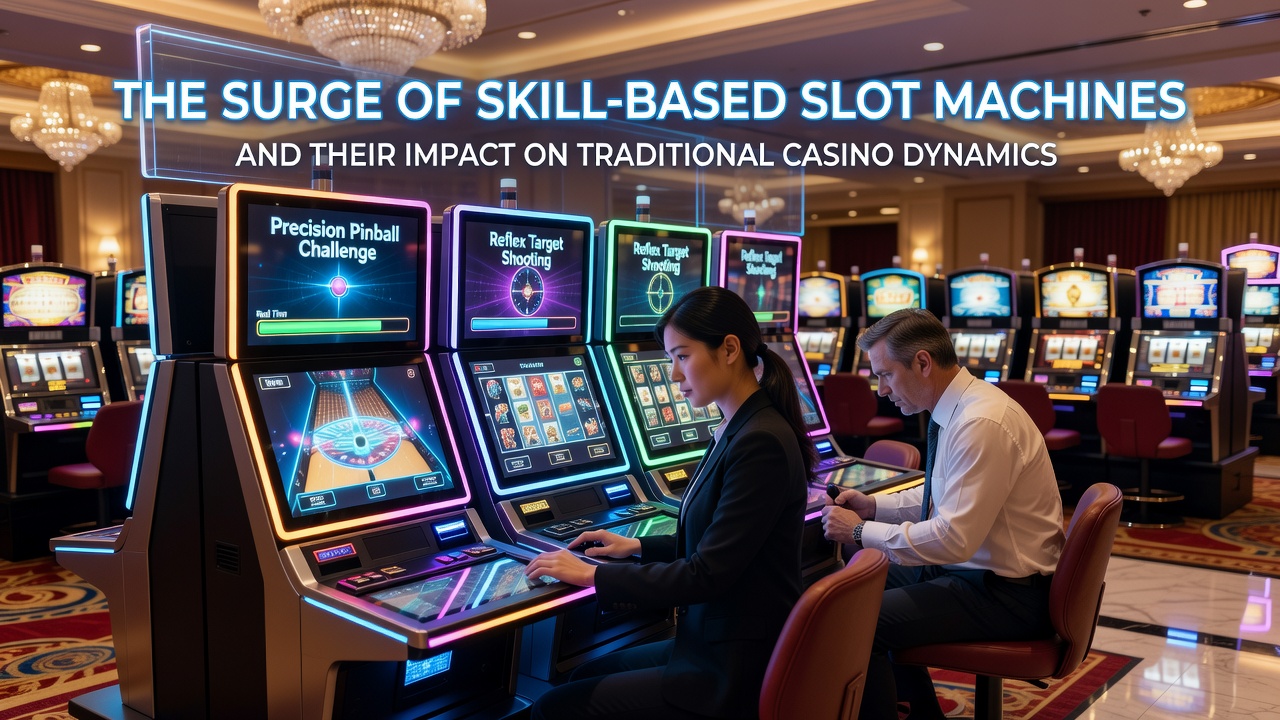
Skill-based slot machines combine elements of video games with traditional reel mechanics, allowing players to influence outcomes through timing, strategy, and decision-making rather than relying solely on random number generators. These machines first appeared in limited markets during the mid-2010s and have expanded steadily as regulators in several jurisdictions approved their deployment. Data from the Nevada Gaming Control Board shows installations grew from fewer than 500 units in 2018 to over 4,200 by mid-2025, with further increases reported through August 2026.
Mechanics Behind the Machines
Unlike classic slots where results depend entirely on chance, skill-based versions integrate mini-games or interactive challenges that reward player input. A shooter might aim at targets during a bonus round, while another title requires matching patterns under time pressure. The base game often retains RNG elements to comply with gambling laws, yet the skill portion can boost payout percentages by small margins when players perform well. Manufacturers such as Aristocrat and Scientific Games have released multiple titles that blend these features, and casino operators report average session times extending 15 to 25 percent compared with standard machines.
Player Demographics and Adoption Patterns
Research from the American Gaming Association indicates that skill-based slots attract a younger audience, with 34 percent of players aged 21 to 35 in markets where the machines operate. Traditional slot users skew older, and many casinos have used the new offerings to draw in visitors who previously favored table games or avoided slots altogether. One study conducted at the University of Nevada, Las Vegas tracked play across 12 properties and found that skill-based units generated 18 percent higher foot traffic during evening hours when younger crowds dominated the floor.
Effects on Floor Layout and Revenue Streams
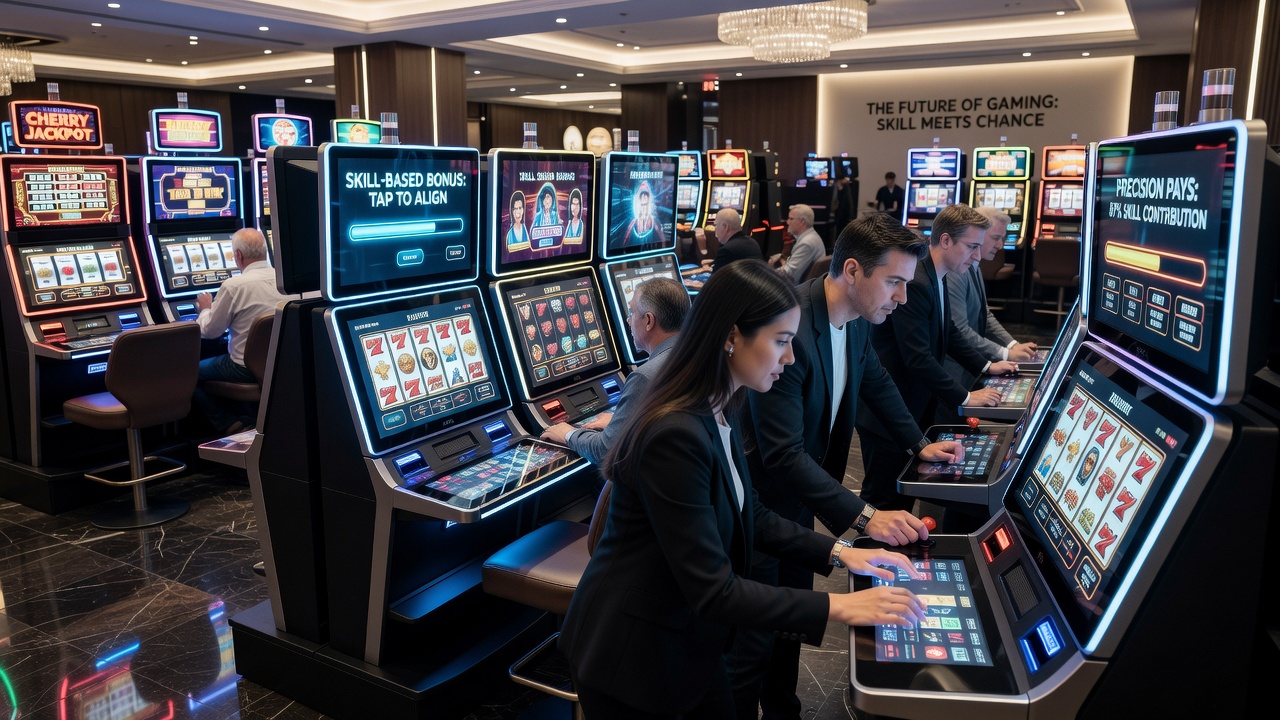
Casino operators have adjusted space allocation as skill-based machines require larger cabinets and additional power for their displays and processors. Floors that once featured dense banks of compact reel slots now include wider aisles and dedicated zones with seating for longer interactive sessions. Revenue figures from New Jersey Division of Gaming Enforcement reveal that skill-based units contributed 9.2 percent of total slot win in Atlantic City during the first half of 2026, up from 4.7 percent two years earlier. Traditional machines continue to account for the majority of play volume, yet their per-unit daily revenue has declined slightly in venues that added skill options.
Regulatory Developments Across Regions
Approval processes differ by jurisdiction. Nevada and New Jersey require testing to confirm that skill elements do not exceed defined influence thresholds, while several European regulators, including the Malta Gaming Authority, have examined similar products for compliance with consumer protection rules. Observers note that operators must maintain separate reporting for skill-influenced outcomes, which adds administrative layers but also provides clearer data on player behavior. In Australia, state gaming commissions have begun reviewing proposals for skill-based terminals, citing potential shifts in harm minimization strategies.
Competition and Hybrid Models
Traditional slot manufacturers have responded by introducing hybrid games that incorporate light skill features without full player control over results. These titles retain the core random mechanics yet add visual feedback or simple choices during bonuses. Data collected by the European Gaming and Betting Association shows hybrid machines now represent 12 percent of new installations across monitored markets. Casinos report that the presence of both pure skill and hybrid options helps retain diverse player groups while mitigating abrupt revenue swings.
Operational Adjustments and Staff Training
Floor staff require updated training to explain game rules and assist with technical issues unique to interactive terminals. Maintenance teams handle more complex hardware, including touchscreens and motion sensors. Several large operators have created dedicated teams to monitor performance metrics, tracking not only coin-in but also skill success rates across individual titles. These teams share aggregated findings with game developers to refine future releases.
Conclusion
Skill-based slot machines continue to expand within established casino markets, prompting measurable changes in player demographics, floor design, and revenue distribution. Regulatory frameworks have adapted to accommodate the technology while preserving required randomness standards. Traditional slot operations remain dominant in volume, yet integration of skill elements has introduced new dynamics that operators track closely as of August 2026.