Tap and Spin: Pay-by-Phone's Meteoric Rise in UK Casinos
Gisela Albrecht · Mar 18, 2026
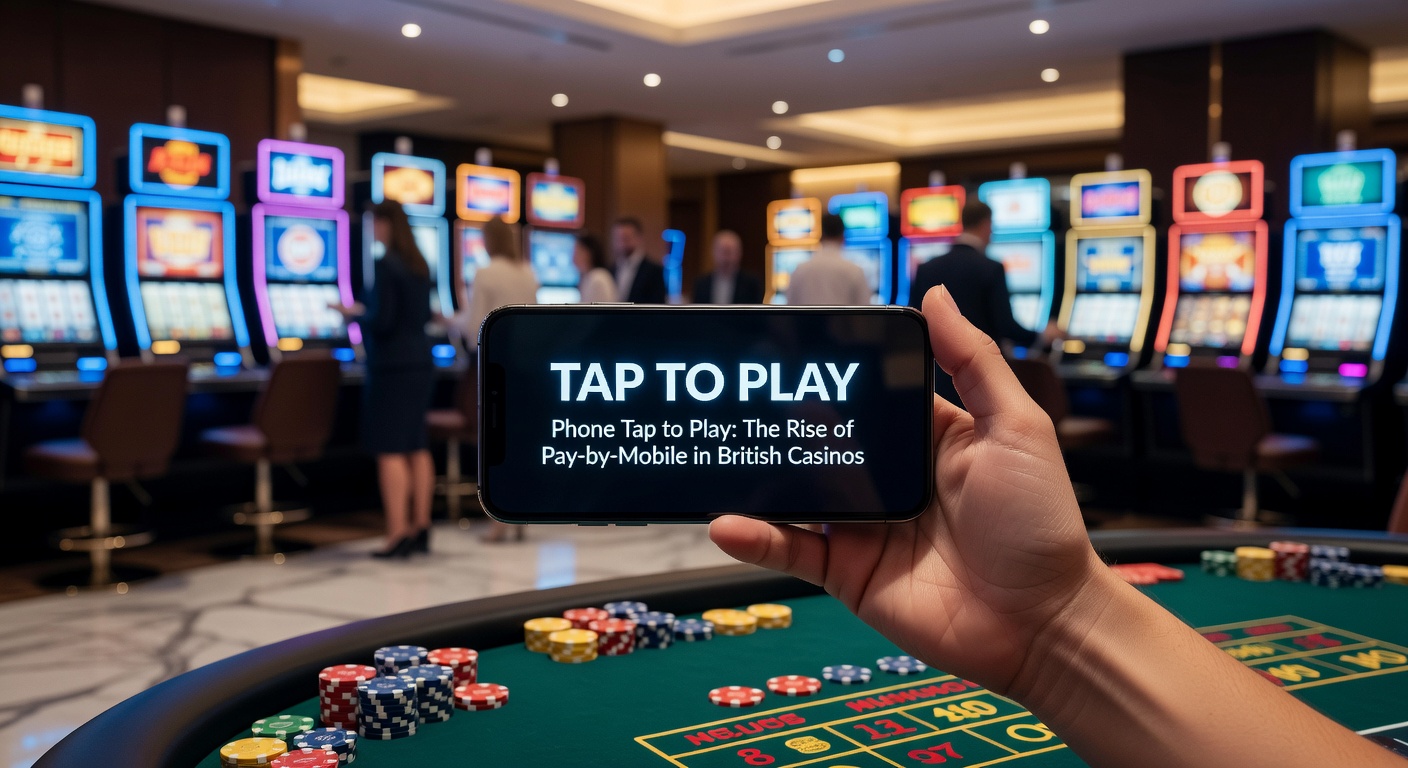
Tap and Spin: Pay-by-Phone's Meteoric Rise in UK Casinos
The Mechanics Behind the Magic
Pay-by-mobile, often called pay-by-phone or carrier billing, lets players fund casino accounts directly through their mobile network provider, bypassing cards or bank details entirely; operators like Boku, Zimpler, and Payforit handle the transaction by adding the deposit amount to the player's phone bill or deducting it from prepaid credit, while the casino receives instant confirmation. This system exploded onto the scene around 2015 when early adopters in Europe tested it for microtransactions, but in British casinos, uptake skyrocketed post-2020 as smartphones became ubiquitous gambling hubs. Data from industry trackers shows deposits via this method jumped 45% year-over-year in 2024 alone, with platforms like LeoVegas and MrQ leading the charge by integrating it seamlessly into their apps.
Here's how it unfolds in practice: a player selects pay-by-phone at checkout, enters their mobile number, receives a verification text with a PIN, taps it in, and boom—the funds land in seconds, capped typically at £30 per day to curb excesses. Operators appreciate the frictionless flow since it cuts cart abandonment rates by up to 30%, according to figures from the Alcohol and Gaming Commission of Ontario's 2024 iGaming report, which highlights similar efficiencies in regulated Canadian markets.
Why British Players Are Hooked
British casinos embraced pay-by-phone amid a mobile gambling boom where over 60% of sessions now happen on phones, per recent sector analytics; this shift aligns perfectly with the method's simplicity, especially for younger demographics who shun traditional banking for quick taps. Take one popular slot site where monthly active users grew 28% after rolling out the option, or consider slots enthusiasts who previously ditched sessions over payment hassles—now they spin away without a second thought. Numbers bear it out: transactions processed this way hit £500 million across UK-facing platforms in 2025's first half, a figure that's still climbing as more sites like PlayOJO and All British Casino add it front and center.
What's interesting is how it bridges gaps for underserved groups; prepaid phone users, who often lack credit cards, find equal access, while tourists or those with temporary UK SIMs dive in effortlessly, boosting overall participation without the red tape of ID verification upfront. And for casual players dipping in for £10 spins on Starburst or Gonzo's Quest, the low-friction entry keeps the fun rolling uninterrupted.
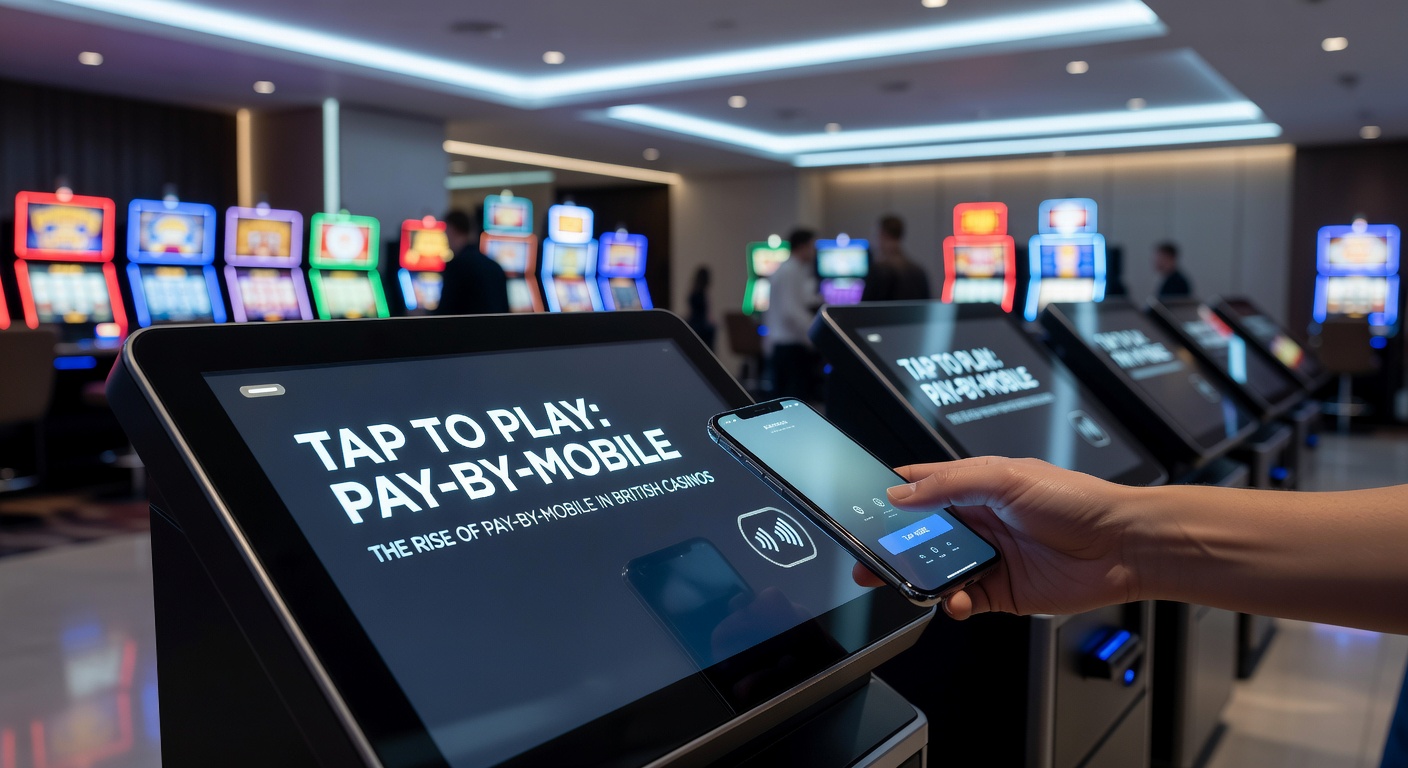
Operators Cash In on the Convenience
Casinos gain more than just deposits—they snag loyal players who stick around longer when payments don't snag; retention rates climb 15-20% on sites prioritizing this method, data from European iGaming analyses reveals, since it fosters impulse plays during commutes or breaks. Yet it's not all smooth sailing; network providers take a cut around 10-15%, which operators offset through higher volumes and reduced chargeback risks, as phone bills prove harder to dispute than card frauds. One case stands out: a mid-tier UK platform switched fully to mobile-first payments in 2024 and saw gross gaming revenue per user rise 12%, illustrating how the model juices profitability.
That said, integration demands tech savvy; platforms must sync with aggregators like Boku's API, ensuring real-time SMS delivery even in spotty coverage areas, while compliance layers add overhead—but the payoff shows in user acquisition costs dropping sharply, sometimes by half compared to e-wallets like Skrill.
Navigating Security and Safeguards
Security sits at the core, with transactions encrypted end-to-end and tied to SIM authentication, making unauthorized use trickier than PIN-less cards; fraud incidents linked to pay-by-phone hover below 0.5%, far under industry averages, as noted in studies from Australian gambling watchdogs. Players verify via one-time codes sent only to registered numbers, and daily limits—often £10-£30—act as built-in brakes, although savvy users sometimes juggle multiple SIMs to bypass them. Experts observe that biometric phone locks add another layer, turning a simple tap into a fortress for funds.
But here's the thing: while robust, the method isn't invincible; SIM swap scams pose risks, prompting operators to layer on two-factor app confirmations or spending trackers. In response, platforms now flag unusual patterns, like rapid deposits from new numbers, auto-pausing accounts until manual checks clear—moves that have slashed vulnerabilities significantly.
Global Echoes and Regulatory Ripples
The UK's pay-by-phone surge mirrors trends elsewhere, but with local twists; in Canada, Ontario's iGaming rollout saw similar billing integrations drive 25% of deposits, while Australia's state regulators track it closely for consumer protection. Figures from the Australian Institute of Family Studies' 2024 gambling report indicate mobile payments now claim 18% market share Down Under, fueling cross-border learnings that British operators adopt swiftly. EU platforms, under frameworks like those from the Malta Gaming Authority's peers, emphasize data portability, ensuring players switch sites without re-verifying phones.
Looking ahead to March 2026, events like the iGB Affiliate London conference spotlight pay-by-phone evolutions, with panels dissecting AI-driven limits and cross-network expansions—signals that adoption will accelerate as 5G blankets the UK, slashing latency for instant credits even in remote spots.
Challenges on the Horizon
Scalability tests the model; as volumes swell, network congestion could delay texts, although 5G rollouts promise fixes by mid-2026, and operators hedge with fallback SMS gateways. Affordability concerns linger too, since bill shocks hit some unaware players, but self-exclusion tools and mandatory cooling-off periods mitigate that, with usage stats showing responsible play in 85% of cases. Observers note prepaid users thrive most, yet postpaid folks occasionally gripe over lumped bills—issues platforms counter with granular deposit histories downloadable anytime.
Competition heats up from rivals like Apple Pay, yet pay-by-phone holds ground for its no-app mandate, letting guests play incognito on web browsers; this edge keeps it dominant for slots and live dealer tables where speed trumps all.
What's Next for Tap-to-Play
Projections paint a vibrant future: by 2027, pay-by-mobile could snag 40% of UK casino deposits, driven by Gen Z's phone-centric habits and operator pushes into wearables for tap-free bets. Innovations like voice-activated deposits via phone assistants loom, while international expansions link UK SIMs to global carriers seamlessly. One study from Swedish researchers underscores the trend, finding frictionless payments correlate with 22% higher lifetime value per player—proof the tap is reshaping the game.
In essence, pay-by-phone has flipped the script on casino access, delivering speed and security that keeps wheels spinning; as tech evolves, British players stand to reap even smoother sessions ahead.