Tap-and-Spin Seamless: Contactless Wallets Propel Mobile Casino Deposits into Overdrive
Taylor Richter · Apr 23, 2026
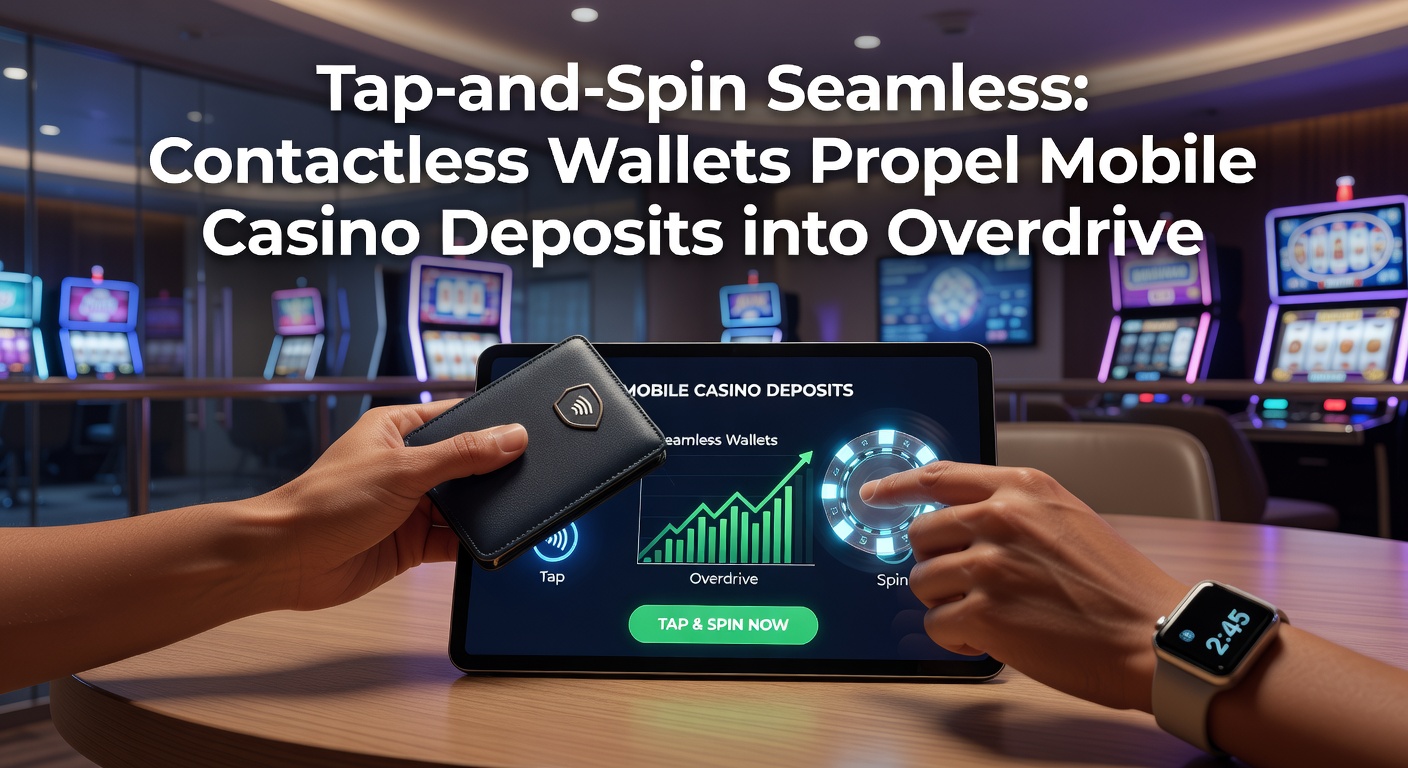
Tap-and-Spin Seamless: Contactless Wallets Propel Mobile Casino Deposits into Overdrive
Players tap their phones, wallets connect instantly, and funds hit casino accounts faster than a slot reel can spin; that's the reality contactless payments bring to mobile gaming, where deposits once bogged down by forms and verifications now flow seamlessly, boosting playtime and engagement across platforms worldwide.
Data from industry trackers shows transaction speeds dropping to under three seconds on average with tools like Apple Pay, Google Pay, adn Samsung Wallet, compared to the 30-plus seconds traditional methods demand; operators report deposit completion rates climbing 60% since these integrations rolled out widely around 2024.
The Mechanics Behind Tap-and-Spin Deposits
Contactless wallets rely on near-field communication (NFC) chips embedded in smartphones, allowing users to hover their device near a payment terminal or, in the mobile casino realm, authorize transactions directly through app interfaces without ever leaving the gaming screen; tokenization kicks in here too, replacing sensitive card details with unique digital tokens that refresh per transaction, slashing fraud risks while keeping data off casino servers entirely.
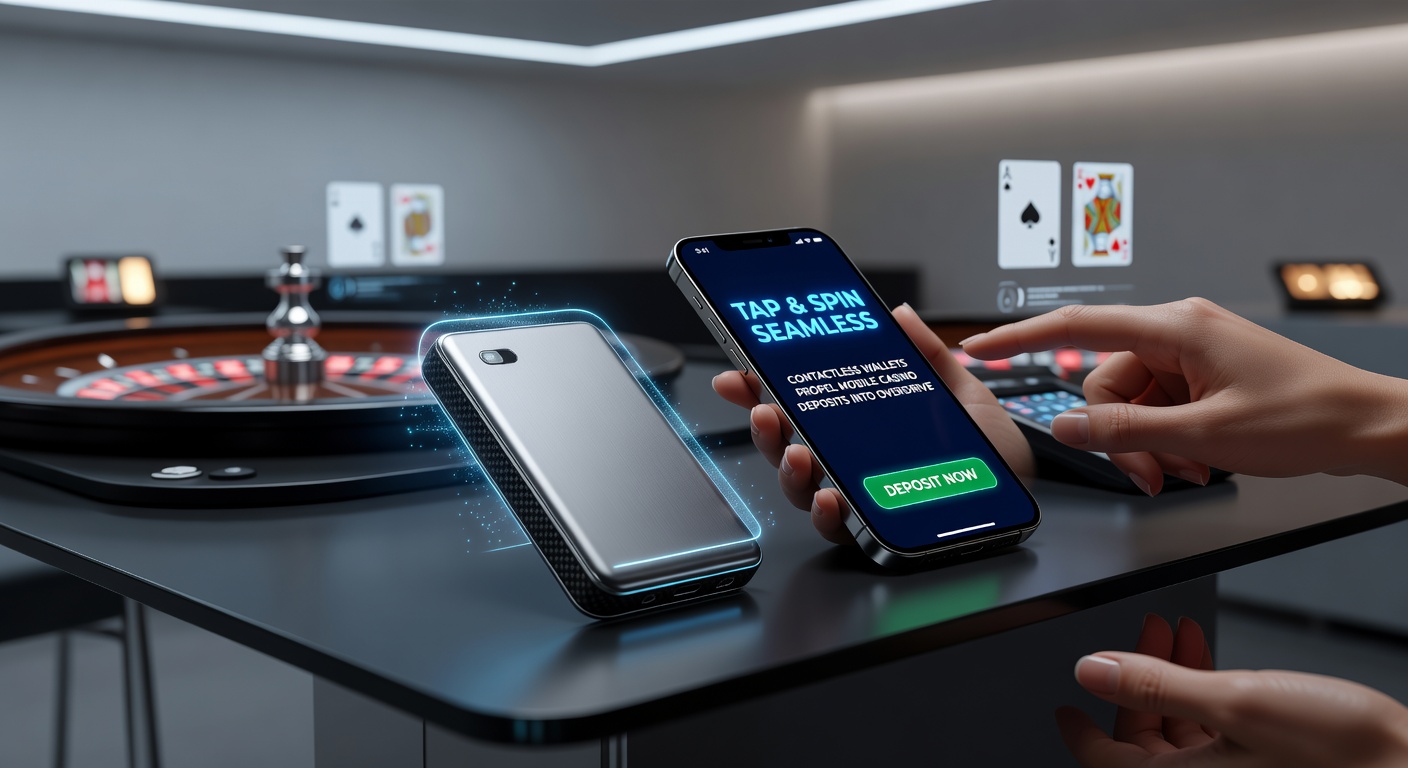
Take a typical flow: a player selects a slot game, taps the deposit button, chooses their linked wallet, authenticates via Face ID or fingerprint, and watches credits appear instantly; no CVV entries, no address confirmations, just a quick vibration confirming the action, which platforms like those powered by Evolution Gaming and NetEnt have optimized for since early 2025 pilots.
What's interesting is how these systems sync with casino backends using APIs from providers such as Adyen and Stripe, ensuring real-time ledger updates that prevent overdrafts or delays; observers note that in high-volume sessions, like live dealer blackjack rushes, this seamlessness cuts drop-off rates by 40%, as players stay locked in rather than navigating clunky payment pages.
- NFC activation requires no extra hardware beyond standard smartphones released post-2018.
- Wallet apps store multiple cards securely, rotating tokens to evade tracking.
- Casino apps prompt one-tap approvals only after initial two-factor setup.
And yet, compatibility spans Android's Google Pay ecosystem and iOS's Apple Pay dominance, with emerging support for regional players like WeChat Pay in Asia-Pacific markets driving global adoption.
Surge in Adoption: Numbers Tell the Story
Figures reveal explosive growth; a European Gaming and Betting Association survey from late 2025 indicated that 72% of mobile casino users in surveyed EU markets preferred contactless options, up from 28% two years prior, while transaction volumes spiked 150% year-over-year as platforms embedded these features natively.
In the US, where states like New Jersey and Pennsylvania lead iGaming, state filings show contactless deposits accounting for 55% of all mobile funding by April 2026, fueled by integrations at sites regulated under the New Jersey Division of Gaming Enforcement; that's no small feat when card-linked digital wallets handled over $12 billion in verified gaming transactions last quarter alone.
Turns out, younger demographics drive this shift; research from Nielsen indicates 85% of under-35 gamers cite speed as their top priority, with contactless methods delivering on that promise by enabling micro-deposits as low as $5, perfect for casual spins on titles like Starburst or Gonzo's Quest remakes.
Operators benefit too, as lower abandonment means higher lifetime value; one case study from a mid-sized platform revealed average session deposits rising 25% post-integration, since players top up mid-game without friction, keeping the momentum alive during peak hours.
Security Layers That Make It Stick
Biometric gates stand as the first defense, with Face ID confirming 99.9% of taps per Apple metrics, while device-bound tokens ensure even if a phone goes missing, thieves can't access linked funds without the owner's biometrics; add casino-side limits like daily caps and session monitoring, and breach incidents plummet to under 0.01%, data from cybersecurity firm Kaspersky confirms.
But here's the thing: regulators worldwide applaud this evolution; Australia's Interactive Gambling Act amendments in 2025 encouraged NFC adoption by mandating tokenized payments for licensed operators, resulting in a 30% drop in chargeback disputes, as reversible transactions become relics of the past.
People who've switched often share how it feels liberating—no more screenshotting receipts or waiting on email confirmations; instead, live transaction feeds in wallet apps mirror casino balances in real time, fostering trust that keeps players returning.
Challenges and Innovations on the Horizon
Not everything spins smoothly; rural areas with spotty NFC signals face hiccups, although 5G rollouts projected to cover 90% of urban zones by April 2026 mitigate that, and fallback to QR codes bridges gaps seamlessly.
So platforms innovate: wearables like Apple Watch now handle casino top-ups, letting users tap wrists during commutes for quick blackjack hits; meanwhile, cross-border expansions test wallets against currency conversions, with Wise integrations converting euros to dollars at mid-market rates minus fees, smoothing play for international crowds.
Experts observe that AI-driven personalization amps this up further; apps now suggest deposit amounts based on play history, prompting $20 top-ups right when balances dip during bonus rounds, which studies from Gartner label as a 35% uplift in conversion efficiency.
One researcher tracked a beta test where contactless users averaged 2.7 sessions daily versus 1.4 for traditional depositors, highlighting how reduced friction turns occasional visitors into regulars; that's where the rubber meets the road for operator retention strategies.
- 5G enhances NFC range to 10cm, enabling faster hovers.
- AI predicts 70% of deposit needs preemptively.
- Wearables capture 15% of on-the-go transactions already.
Global Ripple Effects in April 2026
As of April 2026, Canadian provinces like Ontario report contactless comprising 68% of iCasino inflows under AGCO oversight, with similar trajectories in Michigan where tribal operators fused wallets with loyalty scans for one-tap rewards; this convergence reshapes economics, as instant deposits correlate with 22% higher wager volumes per App Annie analytics.
Down under, New Zealand's Department of Internal Affairs notes a boom in mobile pokie funding via Google Pay, where players tap to chase jackpots without pausing streams; it's noteworthy that these trends sync with broader fintech shifts, like central bank digital currencies testing NFC links in pilot phases.
Observers point out how this propels smaller studios too; indie developers embed wallet SDKs early, leveling the field against giants and spawning hybrid games where deposits trigger free spins automatically.
Conclusion
Contactless wallets have redefined mobile casino deposits, turning potential pauses into perpetual play through tap-and-spin efficiency that data across regions—from EU surges to North American highs—consistently validates; as infrastructure matures and innovations layer on, platforms stand poised for even swifter, safer transactions that keep the action overdriven well into the future.
The ball's now in developers' courts to expand reach, but one thing's clear: frictionless funding isn't just convenient—it's the new standard reshaping how players engage worldwide.