The Race for Bettors' Wallets: Payment Solutions Competing in Mobile Gambling
Erik Otto · Aug 13, 2026
The Race for Bettors' Wallets: Payment Solutions Competing in Mobile Gambling
Digital payment providers have expanded their reach into regulated gambling markets as mobile betting volumes continue to climb through 2026. Data from multiple jurisdictions shows that operators now integrate more options to capture deposits from smartphones and tablets. And those options range from established e-wallets to contactless bank transfers and emerging cryptocurrency services. Figures released by the New Jersey Division of Gaming Enforcement indicate that mobile deposits accounted for over 78 percent of total wagering activity in the first half of 2026.
Key Players in the Payment Landscape
Traditional e-wallets such as PayPal and its Venmo subsidiary maintain strong positions because they already hold user trust from everyday transactions. At the same time Apple Pay and Google Pay have gained ground through seamless integration with iOS and Android devices. Research from the University of Nevada Las Vegas Center for Gaming Research reveals that contactless methods reduced deposit completion times by an average of 42 seconds compared with older card-entry flows. Operators report that these speed gains translate directly into higher conversion rates when players fund accounts during live events.
Bank transfers via services like Trustly and open banking protocols have also entered the mix in markets where regulators permit instant verification. In Australia the Australian Communications and Media Authority documented a 31 percent year-over-year rise in instant bank deposits at licensed betting platforms between July 2025 and July 2026. Meanwhile cryptocurrency options continue to attract a smaller but growing segment of users who value lower fees and faster international settlements.
Regulatory Frameworks Shaping Options
Each regulated market imposes distinct rules that determine which payment methods operators may offer. In several U.S. states regulators require that funds pass through licensed financial institutions before reaching operator accounts. This requirement has prompted payment companies to form partnerships with state-chartered banks. Canadian provincial regulators have taken a different approach by mandating two-factor authentication for every deposit above a set threshold. Those who've studied these policies note that authentication layers add friction yet also reduce chargeback rates by measurable margins.
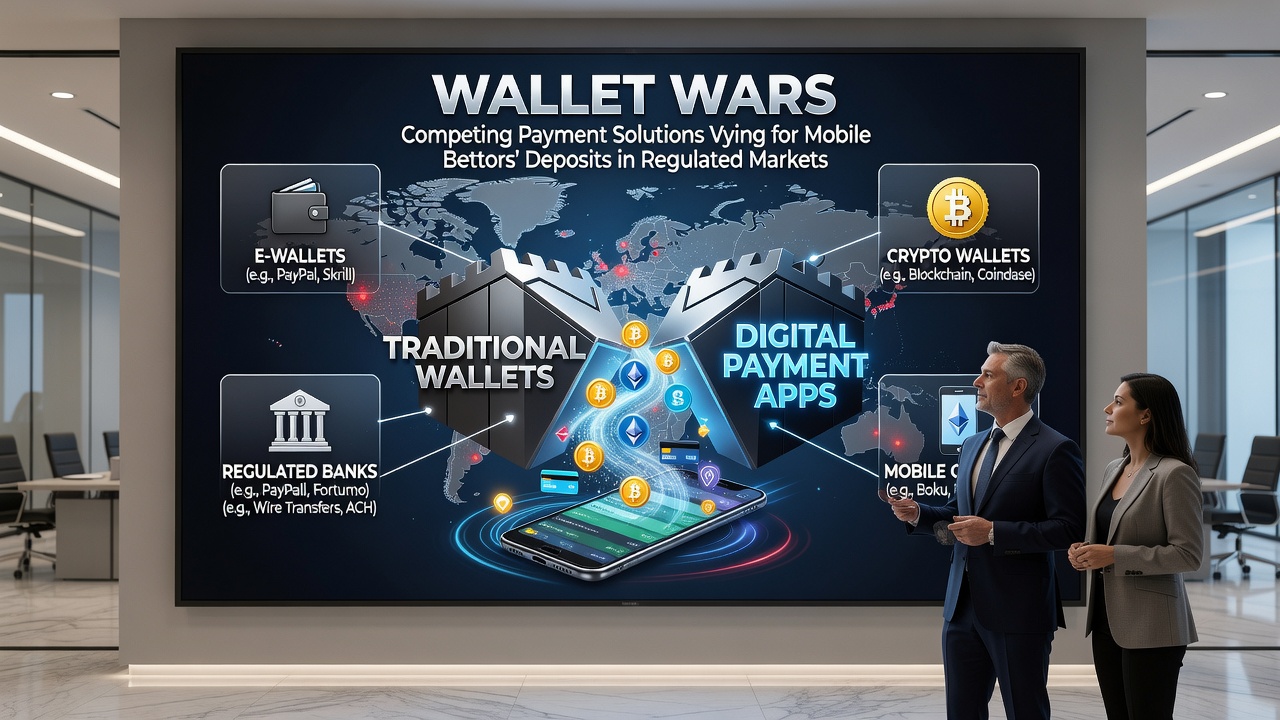
European markets apply additional scrutiny to data privacy under existing financial directives. Payment providers therefore invest in encryption upgrades and anonymization tools to stay compliant. Observers note that companies able to meet these technical standards secure longer contracts with operators because switching costs remain high once systems integrate.
Impact on Bettor Behavior
Mobile bettors demonstrate clear preferences when multiple deposit choices appear on screen. Studies compiled by the International Gaming Institute show that users under age 35 select digital wallets 2.4 times more often than credit cards when both options sit side by side. Older demographics still favor direct bank links yet increasingly adopt contactless methods after initial trials. Turnout at major sporting events in August 2026 highlighted these patterns because in-game deposit prompts generated higher engagement when wallets required only a biometric confirmation.
Transaction fees also influence choices. Some providers absorb costs to attract volume while others pass small percentages to users. Data indicates that transparent fee displays reduce cart abandonment during the deposit stage. Operators that list all costs upfront report steadier funding activity across both recreational and higher-volume accounts.
Future Developments in Payment Integration
Industry reports project continued expansion of embedded finance features inside betting apps. These features allow users to apply for instant credit lines or move funds between linked accounts without leaving the platform. Several providers have begun testing stablecoin settlements in jurisdictions that permit them. And pilot programs launched in early 2026 demonstrated settlement times under 15 seconds for approved transactions. Regulators continue to monitor these trials for consumer protection and anti-money-laundering compliance.
Conclusion
Competition among payment solutions shows no sign of slowing as mobile betting grows across regulated markets. Providers differentiate through speed, security certifications, and fee structures while operators select partners that align with local rules. Bettors benefit from wider choice yet must navigate varying verification steps depending on jurisdiction. The landscape continues to evolve with each new regulatory update and technological release.