Tracing the Evolution of Cross-Platform Loyalty Initiatives in Gambling Operations
Erik Otto · May 24, 2026
Tracing the Evolution of Cross-Platform Loyalty Initiatives in Gambling Operations
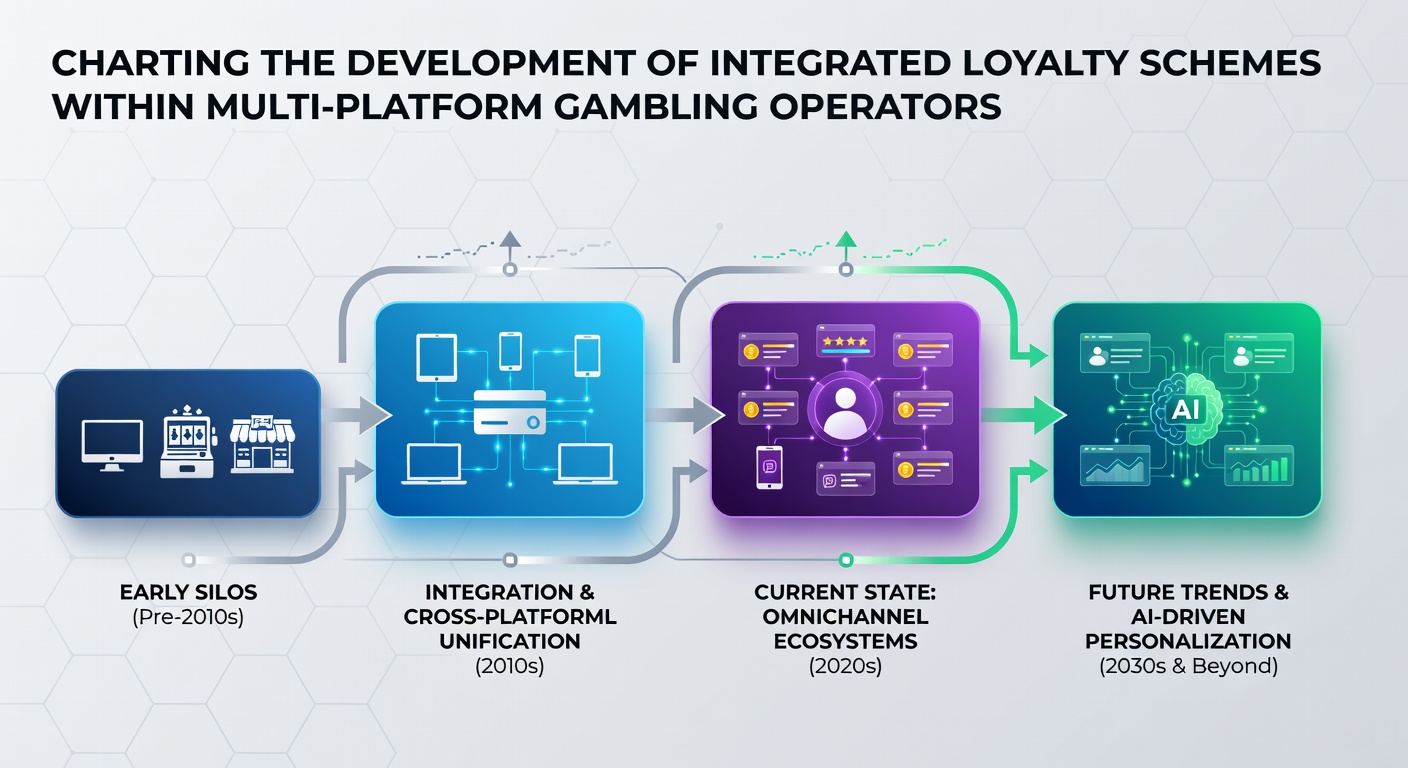
Integrated loyalty schemes have developed steadily within multi-platform gambling operators as companies seek to connect rewards across online casinos, sportsbooks, poker rooms, and live dealer formats under single corporate umbrellas, and observers note this progression has accelerated since the mid-2010s when operators first began merging separate player databases into unified profiles that track activity regardless of vertical.
Foundations in Separate Vertical Rewards
Early loyalty structures operated in isolation, with casino operators awarding comps based solely on slot or table play while sportsbooks ran independent promotions tied to wager volume, yet consolidation trends in the industry prompted operators to experiment with shared point currencies that carried value across products. Research from the University of Nevada, Las Vegas Center for Gaming Research indicates that by 2018 several major operators had begun testing cross-vertical point accrual systems, and data shows these pilots reduced player churn rates by linking bonus eligibility to total account activity rather than isolated game types.
Technical Integration Milestones
Platform mergers required significant backend work to synchronize player tracking software, payment ledgers, and bonus engines, while advances in cloud-based customer relationship management tools allowed real-time point updates across mobile apps and desktop sites. By 2022 operators had deployed API connections that let a user earn loyalty currency from a live roulette session and redeem it for sports betting credits, and similar frameworks now support instant transfers between poker tournament entries and casino free spins. As of May 2026, industry reports confirm that over 60 percent of operators managing three or more verticals maintain fully synchronized loyalty ledgers.
Player Data Consolidation Practices
Operators collect behavioral metrics from every vertical to build comprehensive profiles that inform tier progression and personalized offers, and this consolidation enables dynamic reward structures where high-volume sports bettors receive casino deposit matches while frequent slot players unlock poker rakeback increases. Nevada Gaming Control Board filings reveal that integrated systems have expanded the average number of active products per loyalty member from 1.4 in 2019 to 2.7 in 2025, demonstrating measurable shifts in engagement patterns.
Regulatory Influences on Scheme Design
Frameworks from bodies such as the Nevada Gaming Control Board and provincial regulators in Ontario have shaped how points convert into monetary value, requiring clear disclosure of redemption ratios and preventing automatic expiration without player notification. These rules have pushed operators toward transparent ledgers that display point balances and expiry dates across all linked platforms, and compliance teams now conduct quarterly audits to verify that cross-vertical redemptions meet responsible gambling standards.

Redemption Mechanics and Tier Structures
Modern schemes feature tier ladders where status levels unlock benefits usable anywhere within an operator's ecosystem, and players often progress through bronze, silver, gold, and platinum categories based on combined turnover rather than single-product volume. Redemption catalogs include tournament buy-ins, cashback percentages, and merchandise, while some operators allow point conversion into site credits that carry no wagering requirements when used on certain games. Data compiled by the Australian Gambling Research Centre shows that integrated redemption options have increased average session lengths by 18 percent compared with siloed programs.
Partnership Expansions and Future Pathways
Operators have begun linking loyalty programs with external partners such as hotel chains and entertainment venues, creating broader ecosystems where gambling points contribute to airline miles or dining credits, and these alliances rely on secure data-sharing agreements that maintain player privacy standards. Looking ahead, blockchain-based point ledgers are under evaluation for enhanced transparency, though regulatory approval timelines vary by jurisdiction and implementation remains limited to pilot projects in select markets.
Conclusion
The development of integrated loyalty schemes reflects ongoing adaptation by multi-platform operators to player expectations for seamless reward experiences across all gambling products, and continued refinement of these systems depends on technological interoperability, regulatory compliance, and measurable engagement outcomes documented through industry data sources.