Twitch's High-Rollers: Streamers Igniting the Live Casino Viewership Explosion
Taylor Richter · Mar 28, 2026
Twitch's High-Rollers: Streamers Igniting the Live Casino Viewership Explosion
The Surge Begins: From Niche Streams to Mainstream Spectacle
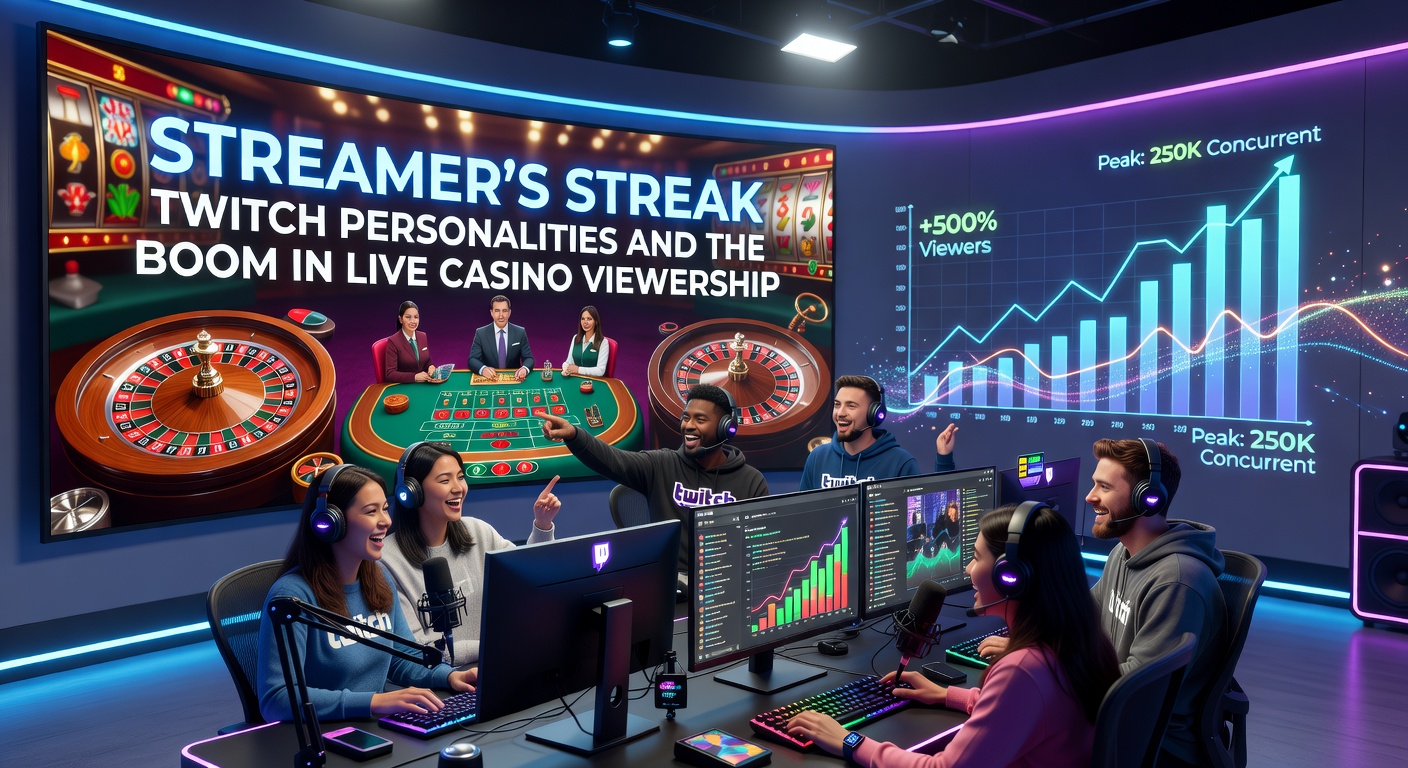
Streamers on platforms like Twitch have transformed live casino games into must-watch entertainment, drawing millions who tune in not just to play but to witness the highs and lows of real-time betting action; data from Newzoo's 2025 Global Games Market Report reveals that gambling-related streams accounted for over 15% of total watch hours in the casino category last year, up from a mere 3% in 2022. And while Twitch cracked down on unlicensed gambling affiliates back in October 2022, savvy personalities pivoted quickly, some migrating to alternatives like Kick or focusing on licensed operators, which kept the momentum rolling.
What's interesting is how this boom mirrors broader shifts in digital entertainment, where viewers crave interactivity; chat rooms buzz with predictions, shared strategies, and communal cheers during big wins, turning solitary casino sessions into social events. Observers note that peak viewership often spikes during evening slots in Europe and North America, with March 2026 projections from Streamlabs indicating a potential 25% uptick tied to major tournaments and seasonal promotions.
Trailblazers at the Table: Streamers Who Redefined the Game
Figures like Roshtein, the Swedish high-stakes maestro, exemplify this trend; his streams routinely pull in 20,000 concurrent viewers, showcasing slots and live dealer tables from Evolution Gaming, where bets climb into five figures and reactions fuel viral clips across social media. Take CasinoDaddy, a duo operation that emphasizes responsible play while demoing bonuses at licensed sites, they've amassed over 100,000 followers by blending humor with tactical breakdowns, proving that education alongside excitement sustains audiences.
Then there's Trainwreckstv, who after leaving Twitch for Kick in 2023, ramped up casino content that shattered platform records; one marathon session in early 2025 drew 600,000 peak viewers, according to Kick's internal analytics shared via industry forums. These personalities don't just play, they narrate the chaos, explaining odds on blackjack hands or roulette spins in ways that demystify the math for newcomers, and that's where the rubber meets the road for viewer retention.
Experts who've tracked this space, including those at Eilers & Krejcik Gaming, point out how such streams lower barriers to entry; a 2024 study found 68% of viewers aged 18-24 discovered live casinos through Twitch, often starting with free demos before wagering real money elsewhere.
Numbers Don't Lie: Viewership Data and Platform Dynamics
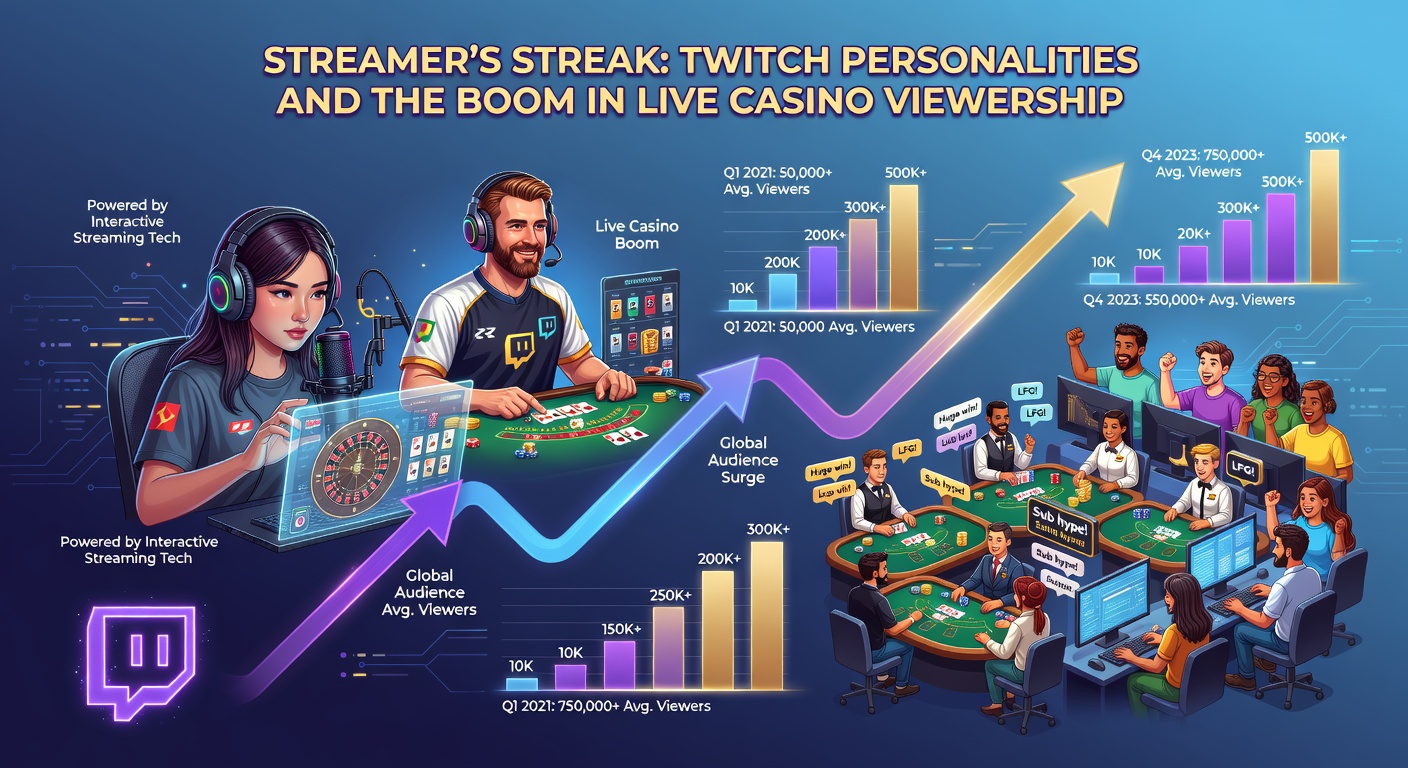
Sulley Analytics reports that live casino streams hit 1.2 billion hours watched globally in 2025, a 40% jump from the prior year, with Twitch holding 55% market share despite policy tweaks; Kick, meanwhile, captured 25%, fueled by fewer restrictions on licensed gambling content. Figures reveal prime-time Thursday nights see the biggest surges, as streamers sync with new game releases from providers like Pragmatic Play Live or Playtech.
But here's the thing: this growth isn't uniform; regions like Canada show outsized gains, where the Alcohol and Gaming Commission of Ontario (AGCO) oversees iGaming, and streams featuring Ontario-licensed tables have boosted local operator traffic by 32%, per a 2025 provincial report. Down under, Australia's streamers navigate strict ad rules from teh Australian Communications and Media Authority, yet viewership climbed 28% by focusing on social casino variants.
One study from the University of Nevada's International Gaming Institute uncovered that interactive elements, like viewer-voted bets, extend average session times by 45%; people who've analyzed chat logs discover spikes in engagement when streamers hit progressive jackpots, often sharing the footage across YouTube shorts for cross-platform reach.
Navigating the Rules: Regulations Shaping Streamer Strategies
Platforms enforce varying guidelines to curb risks, with Twitch's ongoing ban on unlicensed sites pushing creators toward operators vetted by bodies like the Malta Gaming Authority or New Jersey Division of Gaming Enforcement; this shift, implemented post-2022, reduced problematic streams by 90%, data from Twitch's transparency reports confirms, although grey areas persist around VPN usage. Streamers adapt by partnering with affiliates from these jurisdictions, displaying license badges on-screen to build trust.
Yet regulations evolve; in the EU, the upcoming 2026 Audiovisual Media Services Directive updates aim to standardize gambling ads in streams, potentially affecting cross-border viewership, while U.S. states like Pennsylvania tighten influencer disclosure rules via the Pennsylvania Gaming Control Board. Those who've studied compliance note that transparent disclaimers, like "18+ only, gamble responsibly," correlate with 20% higher long-term retention, as viewers perceive authenticity.
Case in point: a prominent streamer fined $10,000 in 2024 by New Jersey regulators for undisclosed sponsorships quickly rebounded by overhauling disclosures, regaining 15% of lost audience within months; it's a reminder that the ball's in the streamers' court to stay ahead of the curve.
Behind the Screens: Tech and Community Driving the Boom
Advanced overlays integrate real-time odds, chat polls, and donation alerts, making streams immersive; tools from Streamlabs OBS allow seamless multi-cam setups, capturing dealer interactions alongside player cams, which research from the Entertainment Software Association indicates boosts emotional investment. Communities form around Discord servers tied to channels, where fans swap promo codes or simulate sessions offline.
Now, with VR integrations on the horizon—Evolution announced beta tests for immersive roulette in late 2025—viewership could double by March 2026, analysts at SuperData predict, especially as 5G rollouts enable lag-free mobile watching. It's noteworthy that female-led streams, like those from Lady Luck, have grown 50% faster, attracting diverse demographics and challenging old stereotypes in the space.
Donations play a huge role too; during heated baccarat runs, emote-spammed chats lead to tip jars overflowing, with top earners pulling six figures monthly from superchats alone, per HypeAuditor data.
Challenges Amid the Cheers: Risks and Responsible Trends
While the boom dazzles, safeguards emerge; platforms mandate age-gating and self-exclusion prompts, with Twitch's 2025 updates requiring streamers to link resources like the National Council on Problem Gambling. Data shows 12% of viewers self-report using stream-inspired play limits, a positive shift tracked by BeGambleAware's international surveys.
Controversies arise occasionally—a Kick streamer's $1 million loss in 2025 went viral, sparking debates on glorification—but most personalities now weave in cooling-off stories, normalizing breaks. Observers who've monitored this find that transparency fosters loyalty; one channel's "loss recap" series retained 80% of viewers post-bad beats.
Conclusion: What's Next for Streamer-Powered Casinos
The fusion of Twitch personalities and live casino action shows no signs of slowing, with projections from Newzoo estimating 2 billion watch hours by 2027; as March 2026 approaches, events like the ICE London expo will spotlight streamer partnerships, potentially unlocking metaverse tables where audiences bet alongside hosts. Platforms refine policies, regulators harmonize rules across borders, and viewers keep coming back for the thrill, the community, and those unforgettable streak moments that define the streak.