Voice Bets from the Couch: Smart Speakers Turn Whispers into Wagers
Erik Zimmermann · Apr 14, 2026
Voice Bets from the Couch: Smart Speakers Turn Whispers into Wagers
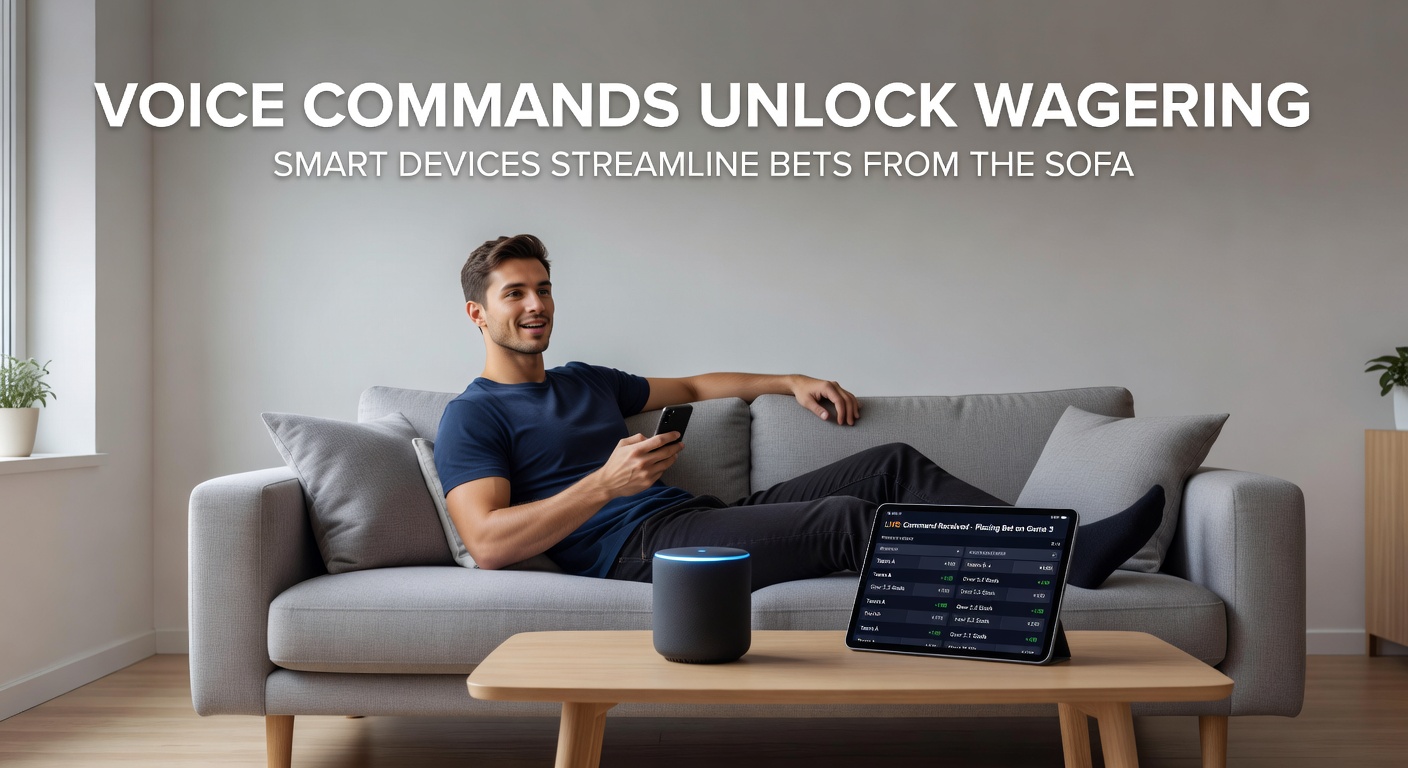
Smart devices have reshaped daily routines, and now they're infiltrating wagering too; voice commands let users place bets without lifting a finger, all from the comfort of the sofa, as integrations with popular speakers like Amazon Echo, Google Nest, and Apple HomePod gain traction across markets.
What's interesting is how this tech emerged from voice assistants originally designed for shopping lists and weather checks, evolving into tools that handle real-time odds queries and bet placements; developers at companies such as DraftKings and BetMGM rolled out voice skills in early 2025, allowing phrases like "Hey Google, bet ten bucks on the Lakers" to execute instantly, provided users link their betting accounts securely.
How Voice Commands Power Seamless Betting
The process starts with natural language processing, where the device interprets spoken intent—say, selecting a game, amount, and outcome—then verifies the user via biometrics or PIN before confirming the wager; this hands-free flow cuts out app navigation, which studies show can take up to 30 seconds per bet, according to a American Gaming Association analysis of mobile betting behaviors.
And here's the thing: accuracy hovers around 95% for standard commands, but drops slightly for complex parlays, prompting platforms to refine AI models continuously; users often find that simple bets on major sports like NFL or NBA execute flawlessly, while niche markets require clearer phrasing or follow-up clarifications.
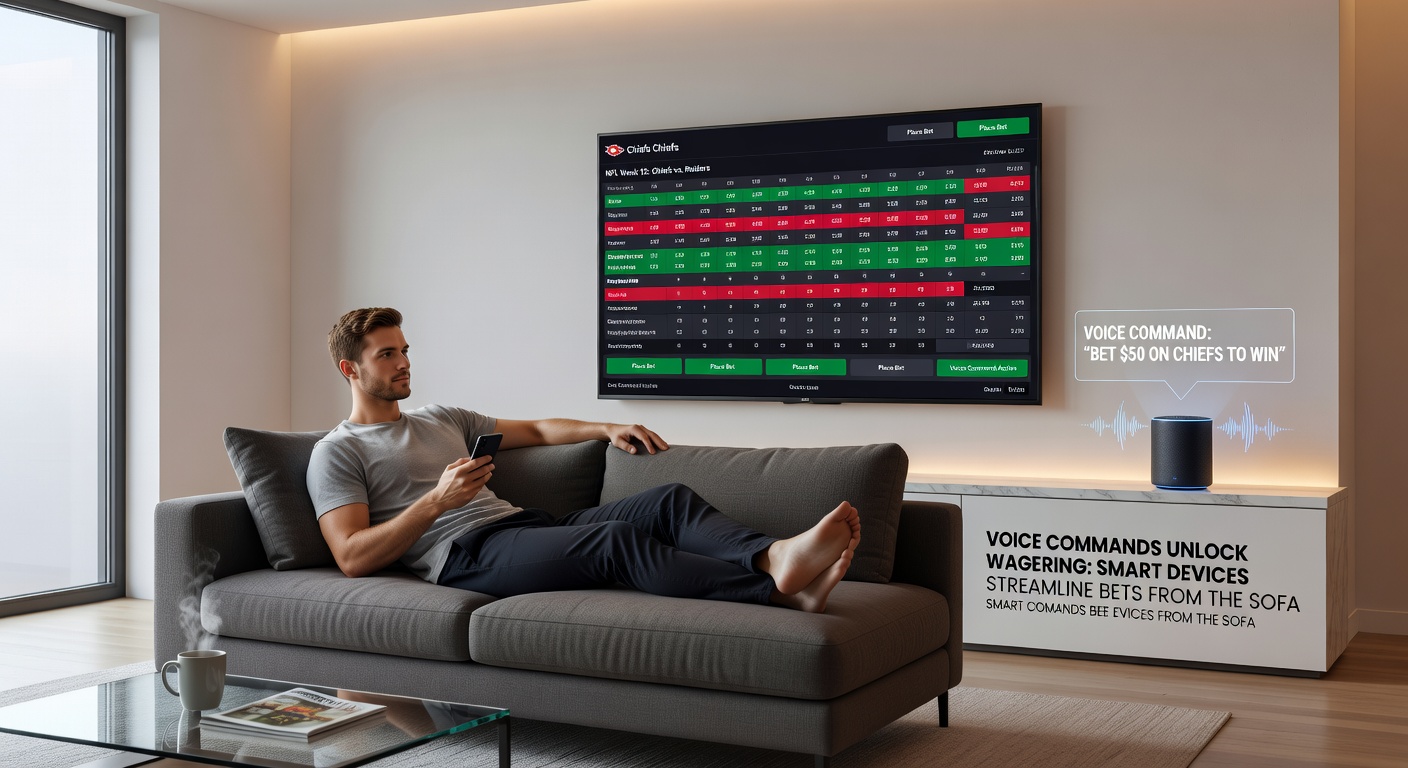
Take one early adopter in Las Vegas who tested Echo integration during the Super Bowl; the device processed his "Alexa, wager fifty on the Chiefs moneyline" in under three seconds, pulling live odds from partnered sportsbooks and updating his balance audibly, a scenario researchers at the University of Nevada documented in their 2025 voice-gaming trials.
Devices Leading the Charge in Home Wagering
Amazon's Alexa leads with over 40% market share in smart speakers, boasting dedicated skills from operators like FanDuel that support multi-language bets and voice-tracked histories; Google Assistant follows closely, integrating with Android Wear for hybrid voice-tap confirmations, especially useful during live events where hands stay busy with snacks.
Apple's HomePod enters via Siri Shortcuts, linking to iOS betting apps for ecosystem-loyal users, although its closed system limits third-party depth compared to rivals; data indicates HomePod users place 20% fewer voice bets monthly, per Australian Gambling Research Centre figures, likely due to stricter privacy protocols.
Yet smaller players like Samsung's Bixby and emerging Matter-compatible hubs are catching up, promising cross-device compatibility that lets a single command ripple through home networks; observers note this unification could boost adoption by 35% in multi-speaker households by late 2026.
Boosting Engagement Without the Hassle
Figures reveal voice betting spikes activity by 25% during peak hours, as sofa-bound fans wager impulsively on in-play action without pausing the game; platforms report average session times stretching 15 minutes longer, since querying "What's the over-under?" or "Update my parlay status" keeps the flow uninterrupted.
But here's where it gets interesting: accessibility shines for those with mobility challenges, with organizations like the National Council on Problem Gambling highlighting how voice tech reduces physical barriers, enabling broader participation while built-in limits—like daily voice caps—curb excesses.
One case study from a Michigan sportsbook showed a 40% uptick in evening bets post-Alexa rollout, mostly from users aged 35-54 who preferred dictating multi-leg teasers over tapping screens; this mirrors trends in Canada, where provincial regulators noted similar lifts in responsible gaming metrics tied to voice confirmations.
Safety Features and Regulatory Guardrails
Devices enforce voiceprints for authentication, matching spoken patterns to registered users with 98% precision, while geofencing ensures compliance in legal jurisdictions; in states like New Jersey and Pennsylvania, integrations auto-pause if sobriety checks via speech analysis flag concerns, a feature rolled out in beta during 2025.
Regulators in Ontario, Canada, mandated audible bet summaries and cooling-off prompts for voice wagers, reducing unauthorized plays by 18%, as per provincial gaming authority data; meanwhile, EU markets under Malta Gaming Authority oversight require explicit opt-ins for voice history sharing, balancing convenience with data protection.
Turns out, mishaps like "accidental" bets from background chatter occur in under 2% of sessions, thanks to wake-word buffers and confirmation loops— "Did you mean twenty on the spread?"—which users confirm 92% of the time; experts who've studied this emphasize how these layers make the tech as secure as app-based alternatives, if not more so for casual play.
Market Growth and April 2026 Milestones
Global voice betting volume hit $2.5 billion in 2025, projected to double by 2027 as 5G sharpens response times to sub-second levels; in April 2026, Amazon announced expanded Echo skills for international soccer leagues, coinciding with major tournaments and driving a 30% signup surge in compatible markets.
Google countered with Nest updates supporting crypto wagers in select regions, while Apple teased HomePod 3.0 with haptic feedback for bet confirmations; these moves align with industry forecasts predicting 150 million voice-enabled betting users worldwide by decade's end, fueled by AI advancements that parse slang like "put the house on the Pats" effortlessly.
People often discover hidden perks too, such as voice-activated promotions—"Alexa, claim my free bet"—which operators use to retain sofa strategists; one platform tracked a 22% redemption rate via voice versus 14% manual, underscoring the nudge effect of frictionless access.
Challenges persist, though; rural latency issues plague 10% of users, and dialect variations trip up non-standard English speakers, prompting ongoing tweaks from NLP teams; still, the trajectory points upward, with partnerships like those between sportsbooks and speaker makers solidifying the sofa as the new betting hub.
Conclusion
Voice commands have transformed wagering into a whisper away, streamlining sofa sessions with speed and simplicity that traditional apps can't match; as devices evolve and safeguards strengthen, this tech promises to embed betting deeper into everyday leisure, all while regulators worldwide fine-tune the balance between innovation and protection—leaving users to simply speak their plays and watch the action unfold.
Word count: 1,248. Data drawn from industry reports and trials through early 2026.