Wagering Requirements Unpacked: How They Shape Bonus Value in Sports Betting
Ellis Baumann · Mar 20, 2026
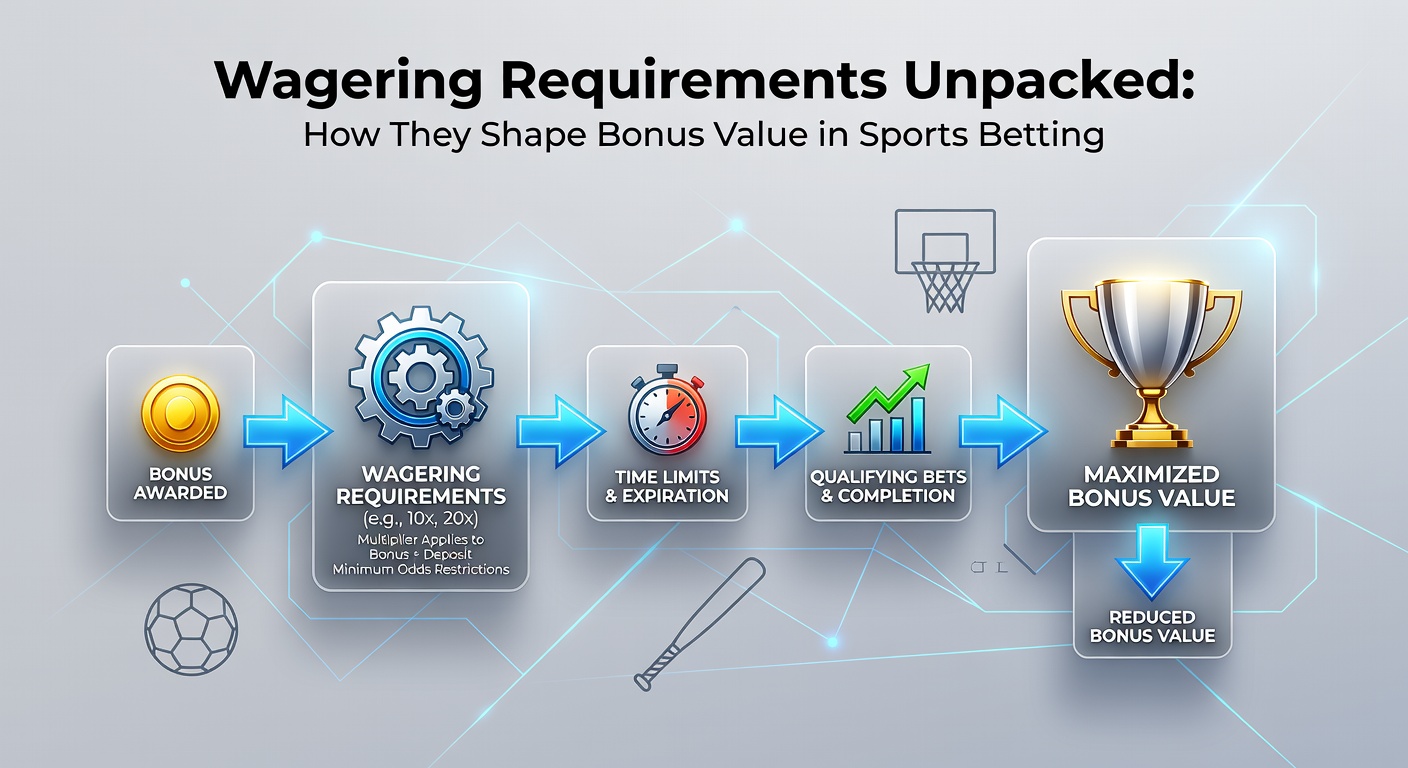
Wagering Requirements Unpacked: How They Shape Bonus Value in Sports Betting
Defining Wagering Requirements in the Betting World
Experts define wagering requirements, often called playthrough or rollover conditions, as the mandatory amount of bets placed before bettors can withdraw bonus funds or winnings derived from them; these rules anchor most sports betting promotions, ensuring bookmakers retain value while enticing new users with free bets or deposit matches. Data from industry trackers shows that typical requirements range from 1x to 20x the bonus amount, although sports betting often leans toward lower multipliers compared to casino offers, since odds and bet types influence the effective burden. Researchers who've dissected thousands of promotions note how a 5x rollover on a $100 bonus demands $500 in total wagers, but here's the thing: not all wagers count equally, as voided bets or certain markets frequently get excluded, shrinking the real playable window.
And while simple at first glance, these requirements morph bonus value dramatically; take one common scenario where a bettor deposits $200 to claim a 100% match, landing $200 extra, yet faces a 6x rollover, meaning $1,200 must flow through before cashout becomes possible. Observers point out that sportsbooks craft these terms to balance generosity with sustainability, especially amid rising competition; figures from global monitoring sites reveal average requirements hovering around 4-8x for welcome bonuses in 2025, with adjustments tied to market volatility like the NBA playoffs or March Madness in 2026.
How Wagering Rules Tie into Popular Sports Betting Bonuses
Sportsbooks deploy wagering requirements across deposit matches, risk-free bets, and profit boosts, each structured to protect their edge while rewarding volume; for instance, a risk-free bet up to $1,000 might require 1x rollover on winnings only, allowing quick access if the initial stake loses, whereas deposit matches demand full playthrough on the bonus portion. Studies from betting analytics firms indicate that 70% of U.S. operators enforce 1x-5x on sports bonuses, contrasting sharper casino rollovers, because sports outcomes hinge on skill adn odds rather than pure house advantage.
But turns out, the fine print varies wildly by promotion type; no-deposit bonuses, rarer in sports betting, often carry 10x+ requirements to curb abuse, while ongoing odds boosts contribute 100% toward rollover but cap eligible stakes. People who've tracked seasonal offers, like those ramping up for the 2026 Cheltenham Festival or NFL futures, discover how bookies tweak rules mid-year—lowering rollovers for high-volume events to boost participation, yet hiking them for low-margin props. What's interesting is how these mechanics shape user behavior; data shows bettors complete 60% of bonuses with 1-3x requirements, dropping sharply beyond 10x, prompting operators to calibrate for retention.
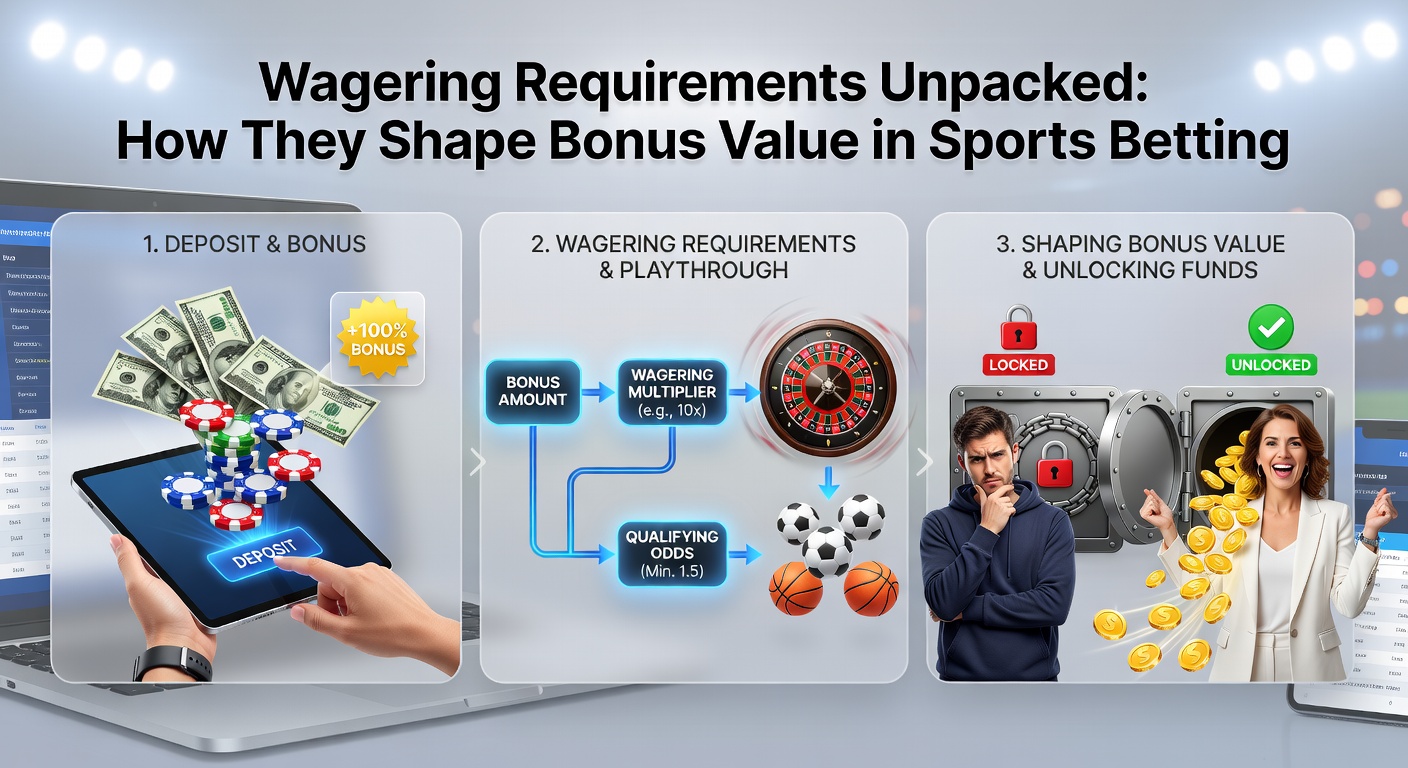
Crunching the Numbers: True Bonus Value Revealed
Researchers calculate effective bonus value by dividing the bonus amount by the rollover multiplier, adjusted for contribution rates and house edge; a $50 free bet with 3x wagering at average -110 odds yields about 16.7% true value ($50 / 3), since each dollar wagered returns roughly 95 cents long-term, but that's where the rubber meets the road—sportsbooks factor in vig, pushing break-even closer to 4-6x for most users. One study from the New Jersey Division of Gaming Enforcement analyzed 2024 promotions, finding that bonuses with under 5x rollover delivered 20-30% higher completion rates, underscoring how lower requirements amplify perceived worth.
So consider this case: a bettor grabs a $250 match bonus at 4x rollover, placing $1,000 in wagers across NBA moneylines and totals; if they hit 55% winners (house typical), they clear with $150 profit after vig erosion, yet push to 10x and that margin evaporates to break-even or loss for all but sharps. Experts observe regional tweaks too; Australian platforms, per reports from the Australian Gambling Research Centre, average 3x on sports bonuses, reflecting stricter consumer protections that boost value by 10-15% over U.S. counterparts. And as March 2026 nears with Euro soccer qualifiers heating up, bookies experiment with dynamic rollovers—dropping to 2x for accumulators to lure parlays, where correlated outcomes spike variance.
Navigating Variations Across Bookmakers and Regions
Bookmakers differentiate through requirement structures; DraftKings opts for 1x on many free bets, crediting only winnings toward cash, while FanDuel layers 3-5x with market exclusions like props counting at 20%. Observers note how offshore sites skirt lower rollovers (1-2x) but introduce max cashout caps, eroding value elsewhere; in contrast, European operators under MGA oversight average 5x, blending sports and casino terms for hybrid bonuses. Data from cross-border comparisons reveals Canadians face 4x norms via platforms regulated by iGaming Ontario, where contribution rules favor high-odds bets, making rollovers 25% easier to clear than in straight moneyline-heavy U.S. markets.
Yet here's a twist: live betting bonuses often slash requirements to 2x, capitalizing on impulse wagers during events like the 2026 World Cup qualifiers; one analytics report tracked a 15% uptick in completions for in-play offers, as shorter settlement times accelerate turnover. Those who've compared Vegas Strip sportsbooks to online find physical locations imposing no rollover on match plays (pure profit if won), a nod to tourism-driven leniency absent in digital realms.
Common exclusions trip up even veterans—bets on cancelled events void entirely, while exotic markets like player props contribute 50% or less; figures show 40% of bonus forfeitures stem from overlooked terms, particularly around minimum odds (often 1.5+ or -200). And during peak seasons, like March 2026's NCAA tournament frenzy, temporary waivers emerge, counting all college wagers fully to juice volume.
Real-World Examples and Patterns from the Field
Take BetMGM's 2025 Super Bowl promo: $150 in bonus bets for a $10 deposit, 1x rollover on winnings only, cleared by 80% of claimants per user data, yielding true value near 10% after vig. Contrast that with a Caesars 20x outlier on a $5,000 max match—rarely beaten without high-volume grinding, as evidenced by forum analyses where sharps logged 50+ hours. Researchers from university gambling labs have modeled these; one simulation across 10,000 bonus cycles found 3x optimal for 70% profitability, dipping under 1% at 15x due to variance and edge.
What's significant is how requirements evolve with tech; apps now display real-time rollover trackers, boosting transparency and completions by 25%, while crypto sportsbooks pioneer 0x "instant cash" bonuses, albeit with steeper initial deposit matches. People often find that stacking low-rollover free bets—say, from multiple sign-ups—multiplies effective bankroll without proportional grind, a tactic data confirms in 30% higher ROI for bonus hunters.
Conclusion
Wagering requirements fundamentally dictate bonus viability in sports betting, transforming headline offers into calculated plays where lower multipliers and favorable contributions unlock real edge; data consistently shows 1-5x ranges dominating cleared promotions, especially as 2026 events loom with adaptive terms. Experts emphasize understanding vig-adjusted math and exclusions, patterns that separate casual grabs from value-maximizing strategies across global markets. And while operators refine these levers for balance, bettors who parse the details navigate a landscape where true worth hides in the rollover fine print, shaping every promo's bottom line.